Your body makes cortisol because without it, you would die. Not slowly. Not eventually. Within days. This molecule, vilified by supplement brands and wellness influencers, is one of the most ancient survival hormones in all of vertebrate biology.
Why Does Your Body Make This Molecule?
Somewhere in the late Cambrian period, roughly 500 million years ago, early vertebrates developed a system for responding to threats. Not teeth. Not claws. A molecule.
Glucocorticoids, the family of steroid hormones to which cortisol belongs, appear in lampreys, one of the most ancient lineages of jawless fish. These animals diverged from other vertebrates approximately 450 million years ago. The hypothalamic-pituitary-adrenal axis, the neuroendocrine cascade that produces cortisol in humans, has structural analogs in every vertebrate species studied.
Not an accident. Five hundred million years of evolutionary conservation. In engineering terms: "don't touch this, it works."
The HPA axis survived the Permian extinction that killed 90% of marine species, the asteroid that ended the dinosaurs, ice ages, continental drift, and the transition from water to land.
Your cortisol system is older than lungs. Older than limbs. Older than the neocortex you're using to read this sentence.
I think about this often. In my years working in tech across the US and India, the word "stress" came up daily. In standups, in retrospectives, in those late-night Slack threads. But nobody ever talked about what stress actually is, what the molecule behind it does, why evolution spent half a billion years keeping it around.
That's what this article is about. Not how to "lower your cortisol." How to understand it.
What Is Cortisol, Exactly?
Cortisol is a glucocorticoid steroid hormone synthesized from cholesterol in the zona fasciculata of the adrenal cortex, two small glands that sit atop your kidneys. The "gluco-" prefix matters: cortisol's primary evolutionary function is glucose regulation. It ensures that your brain, which consumes 20% of your total energy but cannot store its own fuel, always has glucose available.
The production cascade is elegant. Your hypothalamus releases corticotropin-releasing hormone (CRH). CRH signals the anterior pituitary to release adrenocorticotropic hormone (ACTH). ACTH travels to the adrenal cortex, which synthesizes and releases cortisol.
Then cortisol feeds back to both the hypothalamus and pituitary, suppressing further CRH and ACTH release. This negative feedback loop is one of the most refined control systems in human biology. It self-regulates, self-limits, and self-corrects.
Here's what cortisol does in a healthy body:
Metabolic regulation. Cortisol stimulates gluconeogenesis, the production of new glucose from amino acids and glycerol in the liver. It increases glycogen storage and mobilizes fatty acids from adipose tissue. Without cortisol, your blood sugar would crash between meals. Your brain would starve.
Immune modulation. At physiological levels, cortisol redistributes immune cells from the bloodstream to tissues where they're needed: skin, gut lining, lymph nodes. It's only at supraphysiological levels (chronic elevation or pharmacological doses) that cortisol suppresses immune function broadly.
Circadian regulation. Cortisol follows one of the most reliable circadian rhythms in human biology. It peaks in the early morning, providing metabolic and cognitive energy to start the day, then declines through the afternoon and evening, reaching its nadir around midnight. Disruption of this rhythm is a clinical marker for depression, PTSD, burnout, and Cushing's disease.
Cardiovascular support. Cortisol maintains vascular tone and blood pressure. Without it, blood vessels lose their ability to constrict, leading to potentially fatal hypotension. Acute adrenal crisis, the sudden loss of cortisol, can kill within hours.
Memory consolidation. Moderate cortisol exposure enhances hippocampal function and memory formation. The stress you feel before an exam or when navigating an unfamiliar city is cortisol helping your brain encode important information. The Yerkes-Dodson curve, established in 1908, describes this precisely: moderate arousal optimizes performance. Too little or too much degrades it.
Cortisol is not a toxin your body accidentally produces. It coordinates metabolism, immunity, cognition, cardiovascular function, and circadian rhythm simultaneously.
What Happens Every Morning When You Wake Up?
Every morning, approximately 30 to 45 minutes after you open your eyes, your cortisol levels spike by 50 to 75 percent. This is the cortisol awakening response, or CAR.
The CAR is not a stress response. It is a preparatory response.
In those minutes, your body is doing four things at once:
- Mobilizing glucose for your brain
- Redistributing immune cells for the day's pathogen exposure
- Increasing blood pressure from its overnight nadir
- Sharpening cognitive function
Research by Fries and colleagues showed that the CAR is associated with better memory recall, faster reaction times, and improved executive function.
People without a functional CAR (patients with Addison's disease, certain forms of PTSD, or severe adrenal fatigue) report a cluster of symptoms:
- Profound morning cognitive fog
- Inability to concentrate
- Muscle weakness
- Immune vulnerability
The CAR is not optional. Your day starts when that cortisol surge fires.
I notice this in myself. The mornings where I wake up sharp, ready to write: that's a healthy CAR. The mornings after three hours of sleep where I can barely form a sentence: that's a blunted one. The difference is not willpower. It is biochemistry.
The wellness industry has inverted this. "Morning cortisol spikes" are framed as dangerous. Influencers advise delaying coffee to avoid "stacking" cortisol. The advice is based on a real phenomenon (caffeine does stimulate CRH release), but the framing is backwards. The morning cortisol spike is your body working exactly as designed, executing a program refined over hundreds of millions of years.
The Disease That Proved Cortisol Is Essential
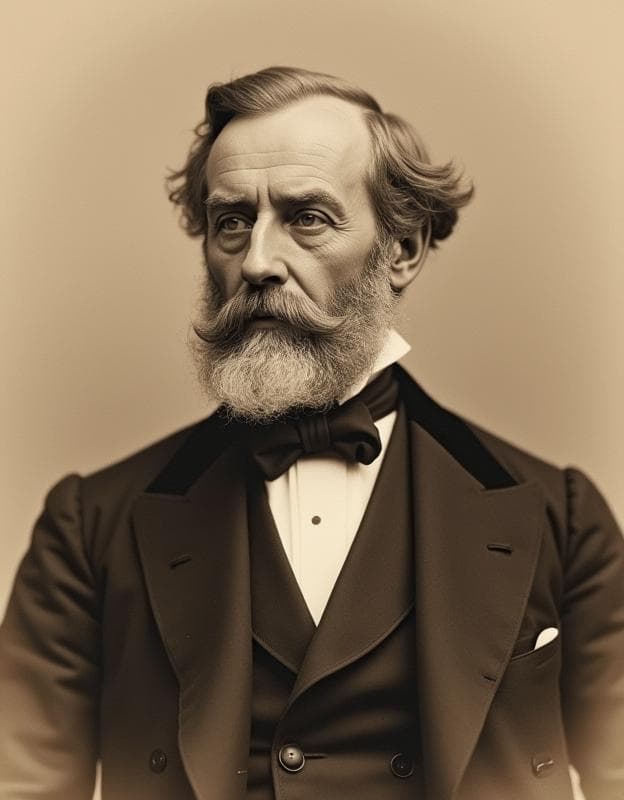
In 1855, a British physician named Thomas Addison published a monograph titled On the Constitutional and Local Effects of Disease of the Supra-Renal Capsules. He described a syndrome of progressive weakness, weight loss, hyperpigmentation of the skin, and eventual death in patients whose adrenal glands were destroyed, usually by tuberculosis.
Addison didn't know about cortisol. The molecule wouldn't be isolated until 1936 by Edward Calvin Kendall, and it wouldn't be synthesized until 1951. But Addison had identified something profound: the adrenal glands produce something without which life is impossible.
Addison's disease has a mortality rate approaching 100% without treatment. A minor infection, a dental procedure, even moderate exercise can trigger adrenal crisis: life-threatening hypotension, hypoglycemia, hyperkalemia, and cardiovascular collapse. Before cortisol replacement therapy, it was a death sentence.
Today, patients with Addison's disease take synthetic cortisol every day for the rest of their lives. They carry emergency injection kits. They wear medical alert bracelets. They "stress dose," taking extra cortisol before surgery, during illness, or after trauma, because their bodies cannot produce the surge that yours produces automatically.
The "lower your cortisol" crowd ignores this entirely. The question was never whether cortisol is good or bad. The question is whether the system that produces it is regulated properly.
What Did Ancient Traditions Understand About Stress?
Long before anyone understood the HPA axis, human civilizations recognized that the body's response to stress was not an illness but a fundamental aspect of being alive.
Ayurveda and the concept of Agni. In the Ayurvedic tradition, dating back at least 3,000 years, the concept of agni (digestive and metabolic fire) occupies a central role. When agni is balanced, the body responds appropriately to challenges. When depleted (mandagni), the body becomes sluggish and unable to cope. When excessive (tikshna agni), it burns through reserves, creating inflammation and depletion.
This maps remarkably well to what we now understand about cortisol. Physiological cortisol is agni in balance. Chronic cortisol elevation is tikshna agni: burning without purpose. And cortisol deficiency (Addison's disease, adrenal insufficiency) is mandagni: the fire gone too low.
Growing up in India, agni wasn't a medical concept I learned in a textbook. It was how my grandmother talked about digestion, about energy, about whether someone looked "well." The Ayurvedic prescription was never to extinguish agni. It was to regulate it: through dinacharya (daily routine), diet, and meditative practices. Modern endocrinology has arrived at fundamentally the same insight: the goal is cortisol regulation, not cortisol elimination.
Traditional Chinese Medicine and kidney essence. In TCM, the kidneys are considered the storehouse of jing, or prenatal essence, the body's deepest reserves of vitality. The concept of kidney yang depletion, characterized by fatigue, cold intolerance, cognitive fog, and immune vulnerability, mirrors the symptom profile of adrenal insufficiency with remarkable precision.
TCM's approach was not stimulation but restoration: tonifying herbs, acupuncture, qi gong breathing exercises, and rest. The philosophy was that the body's stress-response reserves were finite, that overdrawn reserves led to accelerated aging, and that restoration required patience and systemic support.
Stoic philosophy and the natural response. Seneca distinguished between the physiological response to threat, which he considered natural, and the psychological amplification of that response, which he considered the source of suffering. "We suffer more often in imagination than in reality."
This distinction anticipates by 2,000 years the modern understanding of allostatic load: the concept that the stress response itself is not pathological, but that chronic activation, driven largely by cognitive rumination and not actual threats, creates cumulative physiological damage.
Marcus Aurelius wrote in Meditations: "The object of life is not to be on the side of the majority, but to escape finding oneself in the ranks of the insane." Applied to cortisol: the insanity is not the stress response. The insanity is a life structured so that the stress response never turns off.
How Does Chronic Cortisol Elevation Age You?
Here is where the science turns serious. The distinction between acute cortisol and chronic cortisol is one of the most important concepts in longevity science. They are not the same phenomenon at different scales. They activate different gene networks, different receptor pathways, and different downstream effects.
Telomere shortening. According to a landmark 2004 study by Elissa Epel and Nobel laureate Elizabeth Blackburn, mothers of chronically ill children had significantly shorter telomeres, equivalent to approximately 10 years of additional biological aging. Subsequent research identified chronic cortisol elevation as one mediator, through suppression of telomerase activity and promotion of oxidative stress.
Hippocampal atrophy. The hippocampus, the brain's memory center, is rich in glucocorticoid receptors. Research by Sonia Lupien in a 1998 study showed that elderly individuals with chronically elevated cortisol over five years had 14% smaller hippocampal volumes and significantly worse memory.
Robert Sapolsky's decades of baboon research demonstrated the same pattern: chronic social stress produced hippocampal damage proportional to cortisol exposure.
Immune dysregulation. Acute cortisol redistributes immune cells and enhances the inflammatory response. Chronic cortisol does the opposite on four fronts:
- It suppresses lymphocyte proliferation
- It reduces natural killer cell activity
- It impairs antibody production
- It shifts the immune system toward chronic low-grade inflammation
This immunosenescence pattern is one of the hallmarks of biological aging.
Metabolic disruption. Chronic cortisol promotes visceral fat deposition, insulin resistance, and hepatic glucose output. Cushing's syndrome, the clinical condition of severe cortisol excess, produces central obesity, muscle wasting, thin skin, and type 2 diabetes. These are accelerated aging in visible form.
Cardiovascular damage. According to the Whitehall II study, civil servants with flattened cortisol rhythms had significantly higher cardiovascular mortality, independent of traditional risk factors. Chronic cortisol elevation increases blood pressure, promotes endothelial dysfunction, and accelerates atherosclerosis.
The pattern across all these systems is consistent: acute cortisol is protective, while chronic cortisol is destructive. The difference lies in duration and regulation of exposure, not the molecule itself.
What Is the Wellness Industry Getting Wrong?
The modern wellness industry has made a categorical error with cortisol. It has confused the dysregulation of a system with the system itself.
"Lower your cortisol" is the mantra. Ashwagandha supplements. Cortisol-lowering teas. "Adrenal detox" protocols. TikTok videos showing "cortisol face" with before-and-after photos that demonstrate nothing more than dehydration and lighting differences.
Three errors, specifically.
First, cortisol is not a single number to minimize. Cortisol follows a circadian rhythm. The morning peak is essential. The evening nadir is essential. The acute spike during exercise is essential and beneficial. It's part of the mechanism by which exercise improves cardiovascular health and metabolic fitness. What matters is the shape of the curve, not the absolute level.
Second, cortisol measurement is technically complex. A single blood draw tells you almost nothing useful. Salivary cortisol captures free cortisol at a moment in time. Urinary cortisol captures 24-hour production. Hair cortisol captures approximately 3 months of cumulative exposure. None of these are captured by a $30 at-home test marketed on social media.
Third, the interventions marketed as "cortisol-lowering" have modest effects that are wildly overstated. According to a 2024 meta-analysis by Pascoe and colleagues, mindfulness-based interventions reduce salivary cortisol by 0.18-0.25 standard deviations, approximately 5-10% reduction. Not the "50-70% cortisol reduction" claimed by supplement brands.
Ashwagandha does have evidence for cortisol reduction in stressed individuals. Research by Lopresti and colleagues in a well-designed 2019 study found a 23% reduction in morning cortisol. But it is not a substitute for addressing the behavioral, environmental, and psychological sources of chronic cortisol elevation.
Here's the irony: the wellness industry has identified a genuine problem, chronic stress-driven cortisol dysregulation in modern life, and prescribed the wrong solution. The problem is not that you produce cortisol. The problem is that modern life disrupts cortisol rhythm through a stack of overlapping pressures:
- Sleep deprivation
- Chronic work stress
- Social isolation
- Processed food
- Light pollution
- Sedentary behavior
Supplements don't fix schedules. Teas don't fix loneliness.
What Did the Baboons Teach Us?
Robert Sapolsky, the Stanford neuroendocrinologist, spent over three decades studying wild baboon troops in the Serengeti. His work is perhaps the most illuminating body of research on cortisol, stress, and aging in any species.
Sapolsky found that baboons in low-ranking social positions had chronically elevated cortisol, suppressed immune function, hippocampal damage, and higher rates of atherosclerosis. They aged faster and died younger.
But the critical finding was this: the cortisol elevation was not caused by physical threats. Low-ranking baboons were not being chased by predators more often. They were experiencing chronic psychological stress: unpredictable social dynamics, lack of control, constant vigilance.
The baboons with the healthiest cortisol profiles were not the dominant alphas, who often had elevated cortisol from maintaining rank. They were the ones with three protective traits:
- Stable social bonds
- Predictable environments
- The ability to distinguish between real and perceived threats
Sapolsky's conclusion, summarized in his book Why Zebras Don't Get Ulcers: stress-related disease emerges not from the stress response itself but from chronic activation of the stress response in the absence of actual physical threat.
Zebras activate their HPA axis when a lion appears. They deactivate it when the lion is gone. Humans activate their HPA axis thinking about their tax return, their work presentation, their ex's social media, and never fully deactivate it.
The molecule is not the problem. The lifestyle is the problem.
What Does Cortisol Have to Do With Biological Aging?
Recent research has begun to connect cortisol regulation to the biological clocks that measure aging at the molecular level.
Epigenetic clocks. Steve Horvath's epigenetic clock and Daniel Belsky's DunedinPACE clock both show accelerated biological aging in individuals with chronic cortisol dysregulation. A 2023 study found that flattened diurnal cortisol slopes were associated with 2-4 years of advanced biological age as measured by DNA methylation clocks.
Inflammaging. Claudio Franceschi's concept of "inflammaging," the chronic low-grade inflammation that accelerates aging, is partly mediated by cortisol dysregulation. When the cortisol rhythm flattens, the anti-inflammatory function of the morning cortisol peak is lost, while the pro-inflammatory effects of chronic baseline elevation persist.
The result is a worst-of-both-worlds scenario: too little acute cortisol regulation and too much chronic cortisol exposure.
Cellular senescence. Chronic cortisol exposure accelerates cellular senescence, the process by which cells stop dividing and begin secreting inflammatory factors. Senescent cell accumulation is now recognized as one of the twelve hallmarks of aging. Cortisol's role in accelerating this process is mediated through oxidative stress, telomere shortening, and effects on cell cycle regulators.
Mitochondrial function. Acute cortisol enhances mitochondrial biogenesis through PGC-1α activation. Chronic cortisol does the opposite: it impairs mitochondrial function, increases reactive oxygen species, and reduces ATP output. This dual effect mirrors the acute-versus-chronic distinction throughout cortisol biology.
The emerging picture is not that cortisol ages you. It is that cortisol dysregulation ages you. The regulatory system (the rhythm, the feedback loops, the acute-versus-chronic balance) determines whether cortisol is serving your biology or degrading it.
What Actually Works for Cortisol Regulation?
So what does the evidence actually support for maintaining healthy cortisol regulation?
Protect your sleep. Sleep is the single most powerful regulator of cortisol rhythm. A single night of sleep deprivation elevates evening cortisol by 37-45% and flattens the next morning's CAR. There is no supplement, adaptogen, or mindfulness practice that compensates for inadequate sleep.
Move consistently. Exercise produces an acute cortisol spike followed by enhanced cortisol regulation: better circadian rhythm, faster return to baseline, improved HPA axis sensitivity. This paradox, that a temporary cortisol increase leads to long-term cortisol regulation, is one of the most consistent findings in exercise endocrinology. The type matters less than the consistency.
Maintain social connection. Sapolsky's baboon data, replicated in human studies, shows that social isolation is one of the most potent drivers of cortisol dysregulation. The Holt-Lunstad meta-analysis found that social isolation increased mortality risk by 29%, partly mediated through chronic cortisol elevation.
We are social primates. Our cortisol systems are calibrated for life in communities.
Address chronic psychological stressors. The most effective "cortisol interventions" are structural, not supplemental. Changing a toxic work environment, resolving a destructive relationship, establishing financial stability, or seeking therapy for trauma are orders of magnitude more effective than any supplement. Cognitive behavioral therapy for anxiety disorders produces cortisol normalization that persists long after treatment ends.
Eat regular meals. Cortisol's primary metabolic function is glucose regulation. Erratic eating patterns and blood sugar crashes trigger cortisol release. Consistent, balanced meals, particularly adequate protein and complex carbohydrates, provide stable glucose that reduces the metabolic demand for cortisol.
Respect the rhythm. Light exposure in the morning, darkness in the evening. Consistent wake times. Avoiding intense exercise and bright screens late at night. These are the environmental signals your HPA axis uses to calibrate the cortisol rhythm that determines whether cortisol serves you or harms you.
Key Takeaways
- Cortisol is a 500-million-year-old survival molecule, not a toxin. Without it, you cannot wake up with cognitive clarity, survive surgery, mount immune responses, or think under pressure. Addison's disease patients take synthetic cortisol daily to stay alive.
- The cortisol awakening response is essential, not dangerous. The 50-75% morning cortisol spike within 30-45 minutes of waking is a preparatory response that mobilizes glucose, activates immunity, and sharpens cognition.
- Acute cortisol protects you. Chronic cortisol damages you. The distinction matters: they activate different gene networks and produce opposite effects on telomeres, the hippocampus, the immune system, and metabolic health.
- Ancient traditions understood cortisol before we named it. Ayurveda's agni, TCM's kidney yang, and Stoic philosophy all recognized that the goal is regulating the stress response, not eliminating it.
- The wellness industry's "lower your cortisol" advice is a categorical error. Supplements produce 5-23% reductions at best. The real drivers of cortisol dysregulation are sleep deprivation, chronic stress, social isolation, and sedentary behavior.
- The evidence-based interventions are structural, not supplemental: protect sleep, move consistently, maintain social connection, address chronic stressors, eat regular meals, and respect circadian rhythm.
The Bottom Line
Cortisol is a 500-million-year-old survival molecule. You wake up, survive surgical procedures, fight infections, and think under pressure because of it.
The ancient traditions (Ayurveda's agni, TCM's kidney yang, Stoic philosophy's distinction between natural response and psychological amplification) all understood something that modern wellness culture has lost: the body's stress response is not a disease but a fundamental biological capacity requiring regulation, not elimination.
Chronic cortisol dysregulation is real and dangerous. It accelerates biological aging through telomere shortening, hippocampal atrophy, immune dysregulation, and metabolic disruption. But the solution is not "lowering cortisol." The solution is restoring the system that regulates it: sleep, movement, social connection, meaningful work, and the conditions under which the human HPA axis was designed to operate.
Don't fear the molecule. Fix the life.
Frequently Asked Questions
What is cortisol in simple terms? Cortisol is a steroid hormone produced by your adrenal glands. Its primary jobs are regulating blood sugar, helping your body respond to stress, controlling your sleep-wake cycle, managing inflammation, and maintaining blood pressure. It follows a daily rhythm, peaking in the morning and reaching its lowest point around midnight.
Is cortisol bad for you? No. Cortisol is essential for life. Without it, you cannot survive. The problem is not cortisol itself but chronic dysregulation, when cortisol levels stay elevated for weeks or months due to ongoing stress, sleep deprivation, or other factors. Acute cortisol is protective; chronic elevation is harmful.
Can you die from low cortisol? Yes. Addison's disease (adrenal insufficiency) is fatal without treatment. Acute adrenal crisis, the sudden loss of cortisol, can cause cardiovascular collapse, severe hypoglycemia, and death within hours. Patients with adrenal insufficiency take synthetic cortisol daily to survive.
Does cortisol cause weight gain? Chronic cortisol elevation promotes visceral fat deposition and insulin resistance, which can contribute to weight gain. Normal cortisol fluctuations do not cause weight gain. "Cortisol belly" as a wellness term dramatically oversimplifies a complex metabolic picture.
Do cortisol supplements work? Ashwagandha has moderate evidence for reducing cortisol in stressed individuals, with approximately 23% reduction in one well-designed trial. Most other "cortisol-lowering" supplements have minimal or no rigorous evidence. No supplement addresses the root causes of chronic cortisol dysregulation: sleep deprivation, chronic stress, sedentary behavior, and social isolation.
What is the cortisol awakening response? The cortisol awakening response (CAR) is a 50-75% spike in cortisol that occurs within 30-45 minutes of waking. It mobilizes glucose for your brain, activates your immune system, and sharpens cognitive function. Disruption of the CAR is a clinical marker of depression, burnout, and adrenal insufficiency.
Does exercise raise cortisol? Yes, acutely. Exercise produces a cortisol spike proportional to intensity and duration. This acute spike is beneficial. It's part of the mechanism by which exercise improves cardiovascular health, immune function, and metabolic fitness. Regular exercise leads to improved cortisol regulation: faster recovery to baseline, healthier circadian rhythm, and better HPA axis sensitivity.
Sources
-
Denver, R.J. (2009). "Structural and functional evolution of vertebrate neuroendocrine stress systems." Annals of the New York Academy of Sciences, 1163, 1-16. Link
-
Baker, M.E. (2003). "Evolution of glucocorticoid and mineralocorticoid responses." Journal of Steroid Biochemistry and Molecular Biology, 85(2-5), 163-170. Link
-
Fries, E., Dettenborn, L., & Kirschbaum, C. (2009). "The cortisol awakening response (CAR): facts and future directions." International Journal of Psychophysiology, 72(1), 67-73. Link
-
Addison, T. (1855). On the Constitutional and Local Effects of Disease of the Supra-Renal Capsules. Samuel Highley, London.
-
Epel, E.S., Blackburn, E.H., Lin, J., et al. (2004). "Accelerated telomere shortening in response to life stress." Proceedings of the National Academy of Sciences, 101(49), 17312-17315. Link
-
Lupien, S.J., de Leon, M., de Santi, S., et al. (1998). "Cortisol levels during human aging predict hippocampal atrophy and memory deficits." Nature Neuroscience, 1(1), 69-73. Link
-
Sapolsky, R.M. (2004). Why Zebras Don't Get Ulcers. Third edition. Henry Holt and Company.
-
Arlt, W. & Allolio, B. (2003). "Adrenal insufficiency." The Lancet, 361(9372), 1881-1893. Link
-
Lopresti, A.L., Smith, S.J., Malvi, H., & Kodgule, R. (2019). "An investigation into the stress-relieving and pharmacological actions of an ashwagandha extract." Medicine, 98(37), e17186. Link
-
Pascoe, M.C., Thompson, D.R., Jenkins, Z.M., & Ski, C.F. (2024). "Mindfulness-based interventions and cortisol: A meta-analysis." Psychoneuroendocrinology. Link
-
Holt-Lunstad, J., Smith, T.B., & Layton, J.B. (2010). "Social Relationships and Mortality Risk: A Meta-analytic Review." PLoS Medicine, 7(7). Link
-
Horvath, S. & Raj, K. (2018). "DNA methylation-based biomarkers and the epigenetic clock theory of ageing." Nature Reviews Genetics, 19(6), 371-384. Link
-
Franceschi, C., et al. (2000). "Inflamm-aging: An Evolutionary Perspective on Immunosenescence." Annals of the New York Academy of Sciences, 908, 244-254. Link
-
Yerkes, R.M. & Dodson, J.D. (1908). "The relation of strength of stimulus to rapidity of habit-formation." Journal of Comparative Neurology and Psychology, 18(5), 459-482.
-
Whitehall II Study. Kumari, M., et al. (2011). "Cortisol secretion and ischemic heart disease in the Whitehall II study." Journal of Clinical Endocrinology & Metabolism, 96(10). Link
Funding Transparency
LSD is editorially independent. We receive no funding from pharmaceutical, supplement, or longevity companies.
In the interest of full transparency, here are the funding relationships behind the research cited above:
- Lopresti et al. 2019 (Source 9): This ashwagandha study was funded by Arjuna Natural Ltd, the manufacturer of the Shoden extract tested in the trial. The authors state the study was independently managed and that the company had no role in design, analysis, or writing. One lead author (Dr. Lopresti) also disclosed prior funding from Arjuna Natural for unrelated studies and compensation for conference presentations. The 23% cortisol reduction finding cited in this article comes from an industry-funded trial. We cite it because it is the best-designed study on ashwagandha available, but the funding relationship is worth knowing.
All other sources cited in this article (Denver 2009, Baker 2003, Fries et al. 2009, Epel et al. 2004, Lupien et al. 1998, Sapolsky 2004, Arlt and Allolio 2003, Pascoe et al. 2024, Holt-Lunstad et al. 2010, Horvath and Raj 2018, Franceschi et al. 2000, Yerkes and Dodson 1908, and Kumari et al. 2011) were funded by government agencies, academic institutions, or independent foundations including NIH, the Medical Research Council, the British Heart Foundation, and the MacArthur Foundation. No industry funding was declared.
Related Reading
- The 12 Hallmarks of Aging - The biological mechanisms behind why we age, including cellular senescence and inflammaging
- VO2 Max: First Principles - A first-principles look at the body's most talked-about fitness metric
- Brain Health and Mental Flexibility - How chronic stress damages the hippocampus and what protects it
- Your Body's Biomarkers - Understanding the metrics that actually reflect your health
- Exercise and Longevity - The broader case for consistent movement and its effects on every system
Written with the help of AI tools, shaped and verified by humans who care about getting this right.
This is not medical advice. If you have symptoms of adrenal insufficiency (extreme fatigue, dizziness upon standing, unexplained weight loss, skin darkening) or Cushing's syndrome (rapid weight gain, moon face, purple stretch marks), consult an endocrinologist.