You are a 2-million-year-old endurance machine. The question is whether you know it.
Two Million Years Before the Treadmill
Two million years ago on the East African savanna, your ancestors faced a problem. They were slow. Painfully slow. A gazelle could outrun them in seconds. A lion would overtake them in a heartbeat. By every measure of speed, early Homo was a mediocre predator.
But they could do something no other animal on Earth could do. They could run an antelope to death.
Not by outsprinting it. By simply not stopping.
The "endurance running hypothesis," proposed by biologists Dennis Bramble and Daniel Lieberman in a landmark 2004 paper in Nature, argues that humans evolved not for speed but for sustained aerobic effort. They identified 26 specific anatomical traits that serve no purpose in walking but are essential for running:
- Our spring-loaded Achilles tendons that store and release elastic energy
- The nuchal ligament at the base of our skull that stabilizes the head during bipedal running (a feature absent in chimpanzees)
- Our massive gluteus maximus, a muscle barely activated during walking but that fires constantly during running
- And perhaps most remarkably, our 2 to 5 million sweat glands, which give us a thermoregulation system unmatched in the animal kingdom
Most quadrupeds are stuck cooling themselves by panting, which means they can't breathe efficiently while running hard. Humans sweat. We can dump heat continuously without compromising our oxygen intake. And our breathing decoupled from our gait, meaning unlike a horse, which is mechanically locked into one breath per stride, we can breathe at any rhythm while running.
This is what persistence hunting looks like. The San people of the Kalahari, the Tarahumara of Mexico's Copper Canyon, and Aboriginal Australians all practiced it into the modern era: chasing prey for hours in the midday heat until the animal collapsed from hyperthermia and exhaustion. The human body wasn't designed to be fast. It was designed to not stop.
And here's what that means for VO2 Max: the metric we obsess over today, the number on your Apple Watch, the data point Peter Attia calls "the single strongest predictor of longevity," is measuring the capacity of a system that was forged over 2 million years of evolutionary pressure. It's not a gym statistic. It's an evolutionary signature.
How Your Heart Changed Shape
Let's go deeper.
A 2019 study published in PNAS by Raichlen and colleagues compared the hearts of humans, chimpanzees, and gorillas. What they found was striking: human hearts evolved to be longer, thinner, and more compliant, optimized for sustained cardiac output over extended periods. Chimpanzee and gorilla hearts, by contrast, are rounder with thicker walls, built for short bursts of explosive power, the kind of effort that lets a chimp charge through underbrush but would be useless for a six-hour persistence hunt.
Our hearts literally changed shape to support endurance.
To understand what VO2 Max actually measures, you need the Fick equation. The Fick equation is the foundational formula of exercise physiology:
VO2 = Cardiac Output x (a-v)O2 Difference
In plain language: the maximum amount of oxygen your body can use equals how much blood your heart pumps per minute multiplied by how much oxygen your muscles extract from that blood. Oxygen takes a full journey through your body across seven stages:
- Atmosphere
- Lungs
- Blood
- Heart
- Arteries
- Capillaries
- And finally mitochondria, the cellular engines where oxygen is consumed to produce energy
In young adults, 70-85% of the VO2 Max limit comes from the cardiac side, from how much blood the heart can pump. But something shifts as you age. By your 60s, the ratio changes to roughly 56% cardiac and 44% peripheral. That means mitochondrial health, capillary density, and muscle quality matter almost as much as heart fitness in older adults. The implications are significant: training for VO2 Max at 25 and training for VO2 Max at 65 may require fundamentally different approaches.
The Saltin bed rest study from 1968 illustrates the stakes. Young men confined to bed for three weeks lost 27% of their VO2 Max. A 30-year follow-up found that those three weeks of inactivity had a more profound impact on physical work capacity than the next three decades of normal aging. Three weeks versus three decades. The real enemy isn't time. It's stillness.
And the data on age-related decline points the same way: VO2 Max drops about 10% per decade after age 25, but roughly 50-70% of that decline is attributable to inactivity, not biology. Master athletes who maintain their training experience only 5.5% decline per decade. Sedentary adults lose 12%. We've been framing this as "VO2 Max declines with age." It would be more accurate to say it declines with the couch.
What the Hadza Know That We Forgot
The Hadza of Tanzania and the Tsimane of Bolivia are among the last hunter-gatherer and subsistence-farming societies studied by modern science. They walk 9 to 15 kilometers per day as a matter of survival, not exercise. And the results are remarkable: Hadza adults in their 60s maintain VO2 Max levels that rival sedentary Western 25-year-olds. The Tsimane have the lowest rates of coronary artery disease ever recorded in a human population.
They don't track zones. They don't own heart rate monitors. They simply move, consistently, every day, because their survival depends on it.
The contrast with modern life is brutal. In India, where I grew up, walking is embedded deeply in the culture. But according to a 2023 Lancet study, 91.9% of Indians do no recreational physical activity. There's also a well-documented "South Asian CVD paradox": South Asian populations show higher rates of cardiovascular disease despite traditional diets and cultural activity patterns. Part of the explanation is genetic, but the research also shows that South Asians need approximately 232 minutes of moderate activity per week for the same cardiometabolic benefit that other populations get from 150 minutes.
Walking alone may not be enough, and that's a hard message for a culture built around walking. Zone 2 training is the heart rate zone where your body preferentially burns fat and builds mitochondrial density, and it requires a sustained intensity that casual walking rarely reaches. It requires a different kind of effort: deliberate, sustained, and uncomfortable enough to signal your body that adaptation is needed.
I think about this through the lens of my own experience. I grew up running cross-country in Singapore, where the NAPFA (National Physical Fitness Award) system, introduced in 1982, mandated physical fitness testing for all students across six events:
- A 2.4 km run
- Sit-ups
- Standing broad jump
- Shuttle run
- Sit-and-reach
- Pull-ups
Every student was assessed. Gold, Silver, Bronze awards tracked your fitness across your entire school career. Pass rates rose from 58% in 1992 to 80% by 2007. It's one of the few countries in the world with a systematic, national-level approach to youth fitness alongside Japan, Finland, and Slovenia.
I had no idea at the time that I was building what exercise physiologists call a VO2 Max engine: increasing stroke volume, growing capillary networks in my legs, upregulating mitochondrial density. I just knew that training felt good, and that showing up every day made me faster. Looking back through the lens of evolutionary biology, I was doing exactly what my body was built for. The consistency mattered more than any single workout. Every ancient tradition, every religion, every philosophy of human performance arrives at the same conclusion: the foundation is showing up, again and again.
The Man Who Found the Ceiling
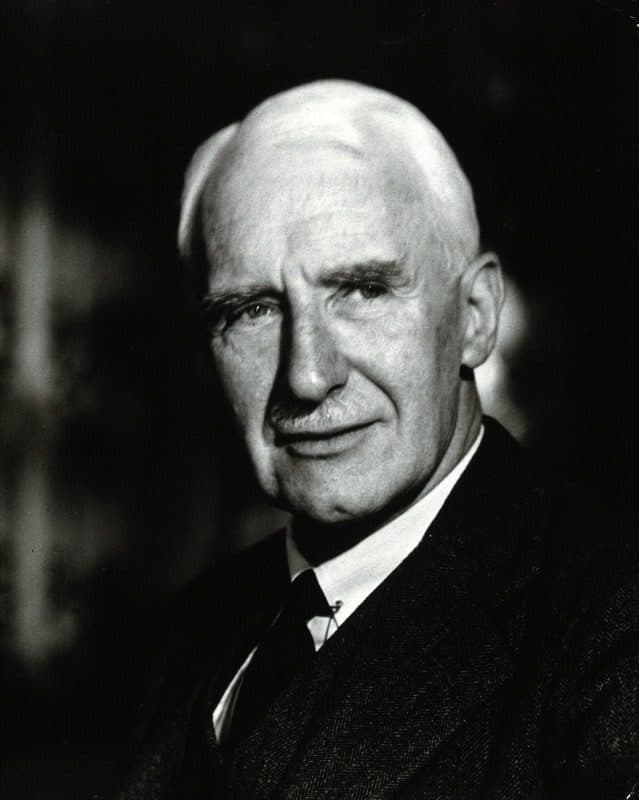
In the 1920s, a British physiologist named Archibald Vivian Hill was measuring oxygen consumption in runners when he noticed something peculiar. As exercise intensity increased, oxygen uptake rose predictably, until it didn't. At a certain point, despite the runner working harder, oxygen consumption plateaued. There was a ceiling. Hill had discovered what we now call VO2 Max.
He shared the Nobel Prize in Physiology or Medicine in 1922, partly for this work on heat production and oxygen consumption in muscles. For nearly a century after his discovery, that single number has dominated exercise physiology. Your VO2 Max became shorthand for your fitness, your health, your potential.
But here's the thing about ceilings: they can blind you to what's outside the room.
The ancient Greeks had a concept called pneuma, the idea that breath was literally life force. It dominated medical thinking for 2,000 years. Pneuma was useful. It wasn't wrong exactly. But it confused a metaphor for the whole truth.
Are we at risk of doing the same with VO2 Max?
Ancient Endurance, Modern Obsession
Humans have been training endurance for millennia without ever measuring VO2 Max.
The ancient Greeks had the hemerodromoi, professional distance runners who carried messages between city-states. Pheidippides, the runner whose story became the basis for the modern marathon, reportedly ran approximately 240 kilometers from Athens to Sparta in two days to request military aid before the Battle of Marathon. Philostratus, writing in the 3rd century AD, described periodized training programs for athletes that would be recognizable to any modern coach.
Spartan boys in the agoge ran barefoot across mountains from age seven. It was military conditioning, but it was also a philosophy: that discomfort was the prerequisite for capability.
Roman legionaries are another case in point: they marched 30 or more kilometers per day in full armor weighing roughly 25 kilograms. The Roman military machine was built on aerobic capacity, even though no Roman ever heard the term.
The most extraordinary example is the marathon monks of Mount Hiei, who practice kaihogyo, a spiritual discipline that involves running 1,000 marathons over seven years. During the most intense phase, they cover 84 kilometers per day for 100 consecutive days. Those who fail are expected to take their own lives, a tradition that underscores the spiritual weight placed on endurance as a path to enlightenment.
Pranayama, yogic breathing, is another ancient practice that recent studies show can increase VO2 Max by 10-25% in sedentary individuals by improving respiratory muscle efficiency and autonomic nervous system regulation. Yogic practitioners were training the oxygen system thousands of years before Hill put a name to it.
Every one of these traditions understood something fundamental: the capacity to sustain effort is central to human potential. They trained it through daily practice, through consistency, through showing up again and again. None of them needed a number on a screen.
The Controversy Nobody Talks About
Now for the part most longevity content won't tell you.
Peter Attia, the physician and author of Outlive, has been the single most influential voice popularizing VO2 Max as a longevity metric. His core claim: VO2 Max is "the single strongest predictor of longevity, more powerful than smoking, diabetes, or hypertension." He primarily cites the Mandsager study, a 2018 analysis of 122,000 patients at the Cleveland Clinic.
In his own practice, Attia uses gold-standard measurement: a COSMED Quark CPET (Cardiopulmonary Exercise Testing) system, where patients breathe through a mask that analyzes every breath, measuring actual gas exchange in real time. He built his "Centenarian Decathlon" framework around this data, training patients to maintain the physical capacity at 80 or 90 to do the activities they love. His protocols involve 3-4 hours per week of Zone 2 training plus regular Zone 5 (high-intensity) intervals.
But the studies he cites to support the longevity claim didn't use CPET.
The Mandsager study estimated VO2 Max from treadmill performance, specifically the speed and incline at which patients quit the test. They used prediction equations to convert treadmill time into estimated METs (metabolic equivalents). These equations can be off by 10-20%. What the study actually measured was exercise tolerance on a treadmill, not maximal oxygen consumption.
Steve Magness, an exercise scientist and author of Do Hard Things, has been one of the most vocal critics. His central point is direct: "The majority of the studies cited did NOT even use VO2 Max as the main variable. They used performance." The distinction matters. Beyond cardiovascular fitness, treadmill performance reflects several other factors:
- Motivation
- Pain tolerance
- Musculoskeletal health
- Familiarity with the test
Conflating performance with VO2 Max overstates the precision of the evidence.
Eric Topol, editor-in-chief of Medscape and one of the most cited physicians in the world, wrote a piece titled "The Flawed VO2 Max Craze" calling the fixation into question. Gregory Katz, a cardiologist, described the evidence chain as "a house of cards."
And then there's the genetic evidence. A 2024 Mendelian randomization study, which uses genetic variants as natural experiments to test causality, found something striking: despite being a strong predictor of mortality, VO2 Max is "not causally associated with longevity." The interpretation is that VO2 Max may be a marker of health, not a cause of it. The things that improve VO2 Max may be the real drivers of the longevity benefit:
- More lean mass
- Regular physical activity
- Better body composition
Prediction is not causation. A thermometer predicts whether you have a fever. Cooling the thermometer doesn't cure the infection.
Your Watch Measures One Thing and Estimates Another
If the gold-standard studies have measurement problems, the consumer-grade estimates are far worse.
Apple Watch VO2 Max estimates carry a mean absolute percentage error (MAPE) of 10-16%. Garmin performs better at approximately 5.7%, but for trained athletes, the error jumps to roughly 10%. A margin of plus or minus 4 mL/kg/min is enough to shift someone between entire fitness categories, from "good" to "excellent" or vice versa.
And there's a mathematical problem baked into the metric itself. VO2 Max is expressed per kilogram of body weight. That means if you lose weight without getting any fitter, your number goes up. A triathlete who drops from 102 kg to 91 kg gains 5 mL/kg/min with zero cardiovascular improvement. The metric moved. The fitness didn't.
Meanwhile, simpler metrics predict mortality almost as powerfully. Grip strength: each 5 kg decrease correlates with 16% higher all-cause mortality. Walking speed: a 0.1 m/s decrease correlates with 12% higher mortality. Both are free, require no technology, and can be measured by anyone, anywhere.
The 2025 paper "Much Ado About Zone 2," published in Sports Medicine, challenged the idea that Zone 2 training is the optimal protocol for most people. Their conclusion: "Current evidence does not support Zone 2 training as the optimal intensity for improving mitochondrial or fatty acid oxidative capacity," especially for people training less than 5 hours per week. For most people, who are not professional athletes, the distinction between Zone 2 and slightly harder may not matter as much as simply doing something consistently.
The HERITAGE Family Study adds another layer. Genetics account for approximately 47% of VO2 Max trainability, and about 7% of the population are "low responders" who see minimal VO2 Max improvement from training. But even low responders showed significant metabolic benefits:
- Improved lipid profiles
- Better glucose regulation
- Reduced inflammation
The benefits of exercise don't require a VO2 Max improvement to be real.
The Choices That Matter Most
So should you care about VO2 Max?
Yes. But not in the way most people think.
VO2 Max is a useful proxy for something real: the integrated function of your heart, lungs, blood vessels, and mitochondria working together to deliver and use oxygen. It correlates with longevity because it reflects the health of virtually every system in your body. That correlation is genuine and strong.
But obsessing over the number, particularly a number estimated by a wrist-worn device with 10-16% error, misses the point. The number is not the thing. The capacity is the thing. And the capacity is built the same way the Hadza build it, the same way Spartan boys built it, the same way marathon monks build it: through consistent, sustained effort, repeated day after day.
Here's what the evidence, taken as a whole, actually supports:
Move consistently. The minimum effective dose for longevity benefit is approximately 75 minutes per week of vigorous activity, and that captures about 75% of the maximum benefit. Beyond that, returns diminish but never reach zero. There appears to be no upper limit at which exercise becomes harmful for longevity.
Don't fixate on zones. Zone 2 training has value, but for people exercising less than 5 hours per week, the type of exercise matters less than the fact that you're doing it. Run, swim, cycle, walk uphill. The best exercise is the one you'll do tomorrow.
Train the whole system. VO2 Max is a whole-system metric. As you age, the peripheral component (mitochondria, capillaries, muscle quality) becomes increasingly important. Resistance training, which builds muscle and mitochondrial density, may matter as much as cardio for maintaining VO2 Max in your 60s and beyond.
Don't trust the watch. If you want to know your actual VO2 Max, get a CPET test with gas exchange analysis. If that's not accessible, track simpler metrics: grip strength, walking speed, how many flights of stairs you can climb without stopping. These tell you more than a wrist estimate.
Exercise benefits don't require VO2 Max improvement. Even if your VO2 Max number doesn't budge, the metabolic, cognitive, and mood benefits of regular exercise are significant and well-documented.
The Bottom Line
Your body is a 2-million-year-old endurance machine. Your heart changed shape over evolutionary time to support sustained effort. Your ancestors ran prey to death under the African sun using nothing but sweat glands and stubbornness. Every ancient culture that trained endurance, from Spartan warriors to marathon monks to yogic practitioners, understood the same truth: the capacity for sustained effort is central to being human.
VO2 Max, the number A.V. Hill discovered in 1922, is our modern attempt to quantify that capacity. It's a useful number. It correlates powerfully with longevity. But it is not causally shown to drive longevity, the studies that popularized it used estimated measurements rather than direct ones, and the wearable devices that report it to millions of people carry significant error margins.
The responsible message isn't "VO2 Max doesn't matter." It does. The responsible message is that the number on your screen is not the point. The point is the daily practice. The consistency. The showing up. That's what 2 million years of evolution, 3,000 years of warrior traditions, and 100 years of exercise physiology all converge on.
Don't chase the number. Build the capacity. Your body already knows how.
Frequently Asked Questions
What is VO2 Max in simple terms? VO2 Max is the maximum amount of oxygen your body can use during intense exercise. It reflects how well your heart, lungs, blood vessels, and muscles work together as a system. It's measured in milliliters of oxygen per kilogram of body weight per minute (mL/kg/min). Average values range from 35-50 for most adults, with elite endurance athletes reaching 70-85.
Is VO2 Max really the strongest predictor of longevity? VO2 Max (or more precisely, cardiorespiratory fitness) is one of the strongest predictors of all-cause mortality in large observational studies. However, most of these studies estimated VO2 Max from treadmill performance rather than measuring it directly. A 2024 Mendelian randomization study found that VO2 Max may not be causally linked to longevity. It likely functions as a marker of overall health rather than a direct cause of longer life.
How accurate is VO2 Max on Apple Watch or Garmin? Apple Watch VO2 Max estimates have a mean absolute percentage error of 10-16%. Garmin watches are more accurate at approximately 5.7% overall, but error increases to roughly 10% for trained athletes. These margins can shift your reading by an entire fitness category. For accurate measurement, Cardiopulmonary Exercise Testing (CPET) with gas exchange analysis is the gold standard.
Does VO2 Max decline with age? VO2 Max declines approximately 10% per decade after age 25, but 50-70% of this decline is attributable to reduced physical activity, not biological aging. Master athletes who maintain training experience only 5.5% decline per decade. Three weeks of complete bed rest reduces VO2 Max more than 30 years of normal aging.
What is the best way to improve VO2 Max? Consistent aerobic exercise is the foundation. High-intensity intervals (Zone 5) produce the fastest VO2 Max improvements, while sustained moderate-intensity exercise (Zone 2) builds the aerobic base. For people exercising less than 5 hours per week, the specific zone matters less than consistency. Resistance training also contributes by improving the peripheral (muscle and mitochondrial) component of oxygen utilization, which becomes increasingly important with age.
What is persistence hunting? Persistence hunting is a method documented in the San people of the Kalahari, the Tarahumara of Mexico, and Aboriginal Australians. Hunters chase prey for hours in the midday heat until the animal collapses from hyperthermia. Humans can do this because of our unique sweat-based cooling system, decoupled breathing, and anatomical adaptations for sustained running. It's likely one of the evolutionary pressures that shaped our cardiovascular system.
Sources
-
Bramble, D.M. & Lieberman, D.E. (2004). "Endurance running and the evolution of Homo." Nature, 432(7015), 345-352. Link
-
Raichlen, D.A., et al. (2019). "Differences in left ventricular function among great apes." Proceedings of the National Academy of Sciences. Link
-
Mandsager, K., et al. (2018). "Association of Cardiorespiratory Fitness With Long-term Mortality Among Adults Undergoing Exercise Treadmill Testing." JAMA Network Open, 1(6). Link
-
Kokkinos, P., et al. (2022). "Cardiorespiratory Fitness and Mortality Risk Across the Spectra of Age, Race, and Sex." Journal of the American College of Cardiology, 80(6). Link
-
Hill, A.V. & Lupton, H. (1923). "Muscular Exercise, Lactic Acid, and the Supply and Utilisation of Oxygen." QJM: An International Journal of Medicine, os-16(62), 135-171. Link
-
Betik, A.C. & Hepple, R.T. (2008). "Determinants of VO2 max decline with aging: an integrated perspective." Applied Physiology, Nutrition, and Metabolism, 33(1), 130-140. Link
-
Bouchard, C., et al. (1999). "Familial aggregation of VO2max response to exercise training: results from the HERITAGE Family Study." Journal of Applied Physiology, 87(3), 1003-1008. Link
-
Magness, S. (2024). "VO2 Max Is Not What You Think It Is." The Growth Equation. Link
-
Topol, E. (2025). "The Flawed VO2 Max Craze." Ground Truths (Substack). Link
-
Pontzer, H., et al. (2012). "Hunter-Gatherer Energetics and Human Obesity." PLOS ONE, 7(7). Link
-
Saltin, B., et al. (1968). "Response to exercise after bed rest and after training." Circulation, 38(5). Link
-
Joyner, M.J. & Coyle, E.F. (2008). "Endurance exercise performance: the physiology of champions." Journal of Physiology, 586(1). Link
-
Guthold, R., et al. (2023). "Global trends in insufficient physical activity among adolescents: a pooled analysis." The Lancet Child & Adolescent Health. Link
-
Eichenberger, E. (2025). "Much Ado About Zone 2." Sports Medicine. Link
-
Lieberman, D.E. (2015). "Is Exercise Really Medicine? An Evolutionary Perspective." Current Sports Medicine Reports, 14(4). Link
Funding Transparency
LSD is editorially independent. We receive no funding from pharmaceutical, supplement, or longevity companies.
In the interest of full transparency, here are the funding relationships behind the research cited above:
-
Bouchard et al. (1999), HERITAGE Family Study (Source 7): The study was primarily funded by the National Heart, Lung, and Blood Institute (U.S. government). However, lead author Claude Bouchard held the Donald B. Brown Research Chair on Obesity, which was co-funded by Roche Canada, a pharmaceutical company. This was declared in the original publication. The finding cited (47% heritability of VO2 Max trainability) is a genetics result with no plausible mechanism for pharmaceutical bias, but the relationship is noted for completeness.
-
Storoschuk et al. (2025), "Much Ado About Zone 2" (Source 14): Senior author Martin J. Gibala is an advisor to and holds equity in Longevity League, Ltd., a U.S.-based company whose services relate to exercise. This conflict was declared in the published paper. The review's central conclusion, that Zone 2 training is not clearly superior for most people training under five hours per week, goes against the prevailing commercial narrative around Zone 2. The direction of any potential bias from this relationship is unclear.
All other sources cited in this article declared no relevant conflicts of interest, or are historical papers and independent commentary from researchers at academic or government institutions.
Related Reading
- Exercise and Longevity: Zone 2 Training - The broader case for cardiorespiratory fitness and the Zone 2 debate
- What Is Cardio, First Principles - Breaking down cardiovascular exercise from the ground up
- Brain Health and Mental Flexibility - How exercise physically grows your hippocampus and protects cognition
- Your Body's Biomarkers - The metrics that actually tell you something about your health
- The 12 Hallmarks of Aging - The biological mechanisms behind why we age
Written with the help of AI tools, shaped and verified by humans who care about getting this right.
This is not medical advice. Consult your healthcare provider before making changes to your exercise routine, particularly if you have existing cardiovascular conditions.