Sleep is not merely rest. It's an active biological process that determines how quickly you age. While you sleep, your brain clears toxic waste, your body repairs cellular damage, and your genes express patterns that either accelerate or slow aging. Understanding this relationship offers practical strategies for extending both lifespan and healthspan.
How Does Sleep Affect Longevity?
The sleep-mortality relationship is a U-shaped curve, where both too little and too much sleep raise risk. According to meta-analyses of prospective cohort studies, current evidence as of 2026 finds that both short sleep (less than 6 hours) and long sleep (more than 9 hours) are associated with increased all-cause mortality, with hazard ratios of 1.12 and 1.30 respectively1. Findings from these pooled cohorts place the safest zone in the middle of that curve.
The optimal zone appears to be 7-8 hours for most adults, though this varies with age:
| Age Group | Optimal Sleep Duration | Notes |
|---|---|---|
| 18-25 | 7-9 hours | Higher end supports brain development |
| 26-64 | 7-8 hours | Consistency matters as much as duration |
| 65+ | 7-8 hours | May shift earlier (advanced sleep phase) |
What makes sleep so critical for longevity? The answer lies in several interconnected mechanisms.
What Is the Glymphatic System and Why Does It Matter?
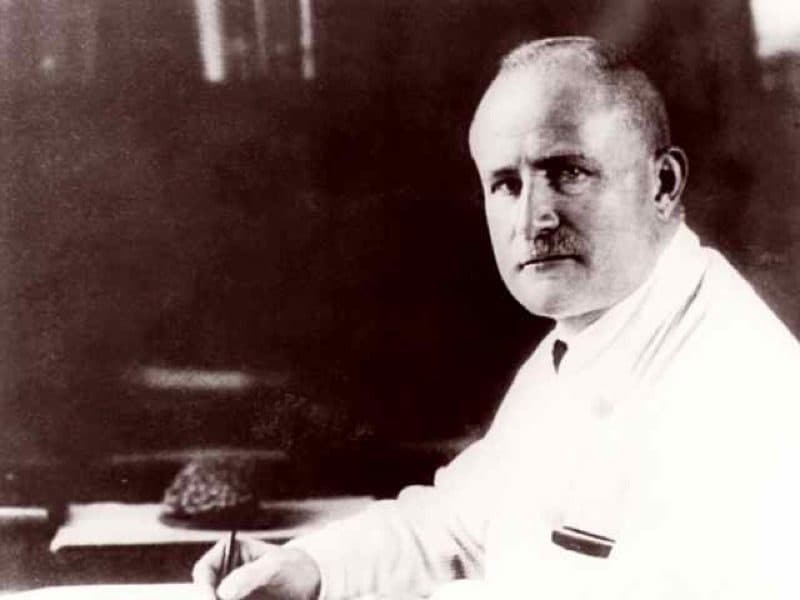
One of the most significant discoveries in sleep science is the glymphatic system, a waste-clearance pathway that operates primarily during deep sleep. The glymphatic system, also known as the brain's waste-clearance pathway, uses cerebrospinal fluid to flush metabolic waste from the brain2. This system was identified by researchers at the University of Rochester Medical Center, in work led by Dr. Maiken Nedergaard. As Dr. Nedergaard has explained, "Sleep is the price we have to pay for a clean brain. The glymphatic system is almost like a dishwasher - during sleep, it clears away all the waste that accumulates while we're awake."
The interstitial space is the fluid-filled gap between brain cells. During wakefulness, the brain's interstitial space shrinks. During deep sleep, it expands by approximately 60%, allowing cerebrospinal fluid to flow through and remove toxins including:
- Amyloid-beta: The protein that accumulates in Alzheimer's disease
- Tau proteins: Another Alzheimer's hallmark
- Metabolic waste products: Byproducts of neural activity
This has profound implications for brain aging and cognitive longevity. Poor sleep quality or insufficient deep sleep means inadequate waste clearance, potentially accelerating neurodegenerative processes.
Practical Application
To support glymphatic clearance:
- Prioritize sleep quality, not just duration
- Sleeping on your side may improve glymphatic flow
- Avoid alcohol before bed (disrupts deep sleep architecture)
- Address sleep apnea if present (oxygen fluctuations impair clearance)
How Do Circadian Rhythms Affect Aging?
The circadian rhythm is your body's internal clock, and it coordinates thousands of biological processes across roughly 24 hours. When this rhythm is disrupted, aging accelerates at the cellular level.
A comprehensive review published in Nature Reviews Neuroscience found that circadian disruption is associated with3:
- Accelerated epigenetic aging
- Increased inflammatory markers
- Higher rates of metabolic disease
- Impaired DNA repair mechanisms
- Reduced autophagy (cellular cleanup)
The suprachiasmatic nucleus is the master clock in your brain, and it becomes less reliable with age. This creates a feedback loop: aging disrupts circadian rhythms, and disrupted rhythms accelerate aging.
Shift Work and Longevity
Night shift workers provide a natural experiment in circadian disruption. Studies consistently show elevated risks for:
- Cardiovascular disease (+17-23%)
- Type 2 diabetes (+9-44%)
- Certain cancers
- Accelerated cognitive decline
If shift work is unavoidable, strategies to minimize damage include maintaining consistent sleep timing even on days off, using bright light therapy during night shifts, and taking melatonin appropriately.
Does Sleep Quality Matter More Than Duration?
Recent 2023-2025 research has shifted focus from sleep duration alone to sleep quality metrics. Findings from a 2023 study examining day-to-day sleep variability show that inconsistent sleep patterns accelerate biological aging independent of average sleep duration4. Data from that same study point to consistency, not just total hours, as the lever that matters. As Dr. Matthew Walker, professor of neuroscience and psychology at UC Berkeley and author of "Why We Sleep," has emphasized, "Sleep is the single most effective thing we can do to reset our brain and body health each day. The shorter your sleep, the shorter your life."
Key quality factors include:
Sleep Efficiency
Sleep efficiency is the percentage of time in bed actually spent sleeping. Healthy sleep efficiency is above 85%. Below this threshold, you may be spending too much time awake in bed, which can perpetuate insomnia.
Sleep Architecture
Sleep architecture refers to the proportion of time spent in each sleep stage:
- Light sleep (N1, N2): ~50-60%
- Deep sleep (N3): ~15-25%
- REM sleep: ~20-25%
Deep sleep is particularly important for physical restoration and growth hormone release, while REM sleep supports memory consolidation and emotional regulation.
Sleep Fragmentation
Sleep fragmentation refers to the number of awakenings during the night. Frequent awakenings, even if not remembered, impair the restorative functions of sleep and are associated with accelerated cognitive aging.
How Does Sleep Regulate Hormones?
Sleep orchestrates a complex hormonal symphony that directly affects aging:
Growth Hormone
Approximately 70% of daily growth hormone is secreted during deep sleep. This hormone is essential for:
- Tissue repair and regeneration
- Muscle maintenance
- Fat metabolism
- Immune function
Deep sleep and growth hormone are a linked pair that both decline with age, each accelerating the other's deterioration.
Cortisol
Cortisol is the stress hormone that follows a circadian pattern, peaking in the morning and declining at night. As explored in our guide on stress and longevity, sleep deprivation elevates nighttime cortisol, which:
- Accelerates muscle loss
- Promotes abdominal fat accumulation
- Impairs immune function
- Damages hippocampal neurons
Testosterone
In men, testosterone levels are closely tied to sleep quality. Sleep restriction to 5 hours per night reduces testosterone by 10-15%, equivalent to 10-15 years of aging5. As Dr. Eve Van Cauter, professor emerita at the University of Chicago and pioneering researcher in sleep and metabolic health, has demonstrated in her foundational work, "Sleep loss is associated with adverse metabolic consequences. Even a few nights of partial sleep deprivation can impair glucose metabolism and hormonal regulation in ways that resemble the effects of aging."
Melatonin
Beyond its role in sleep initiation, melatonin is a powerful antioxidant that:
- Protects mitochondria from oxidative damage
- Supports autophagy
- Has anti-inflammatory properties
- May have direct longevity-promoting effects on cells
Melatonin is the sleep hormone whose natural production declines with age, which may partly explain why older adults often experience sleep difficulties.
Which Hallmarks of Aging Are Affected by Sleep?
Sleep intersects with nearly all recognized hallmarks of aging:
| Hallmark | Sleep Connection |
|---|---|
| Genomic instability | Deep sleep supports DNA repair mechanisms |
| Telomere attrition | Short sleep associated with faster telomere shortening |
| Epigenetic alterations | Circadian disruption accelerates epigenetic aging |
| Cellular senescence | Sleep deprivation may increase senescent cell burden |
| Mitochondrial dysfunction | Melatonin protects mitochondria; sleep restores mitochondrial function |
| Altered intercellular communication | Sleep regulates immune signaling and inflammation |
How Can You Improve Sleep for Longevity?
Based on the evidence, here are practical interventions ordered by impact:
High Impact
-
Maintain consistent sleep-wake times (±30 minutes)
- Strengthens circadian rhythm
- Improves sleep efficiency
- Most important single factor for sleep quality
-
Improve your sleep environment
- Temperature: 65-68°F (18-20°C)
- Darkness: Use blackout curtains or eye mask
- Quiet: White noise or earplugs if needed
-
Morning light exposure
- Get bright light within 30 minutes of waking
- 10-30 minutes outdoors or use a light therapy box
- Anchors circadian rhythm and improves nighttime sleep
Moderate Impact
-
Evening light management
- Dim lights 2-3 hours before bed
- Use blue-light blocking glasses or apps after sunset
- Avoid screens in the last hour before bed
-
Timing of eating and exercise
- Finish eating 3+ hours before bed
- Exercise regularly but not within 3 hours of sleep
- Avoid caffeine after early afternoon
-
Address sleep disorders
- Sleep apnea affects 20-30% of adults over 50
- Insomnia is treatable with CBT-I (first-line treatment)
- Restless legs syndrome may indicate iron deficiency
Supplements to Consider
Some supplements have evidence for improving sleep quality:
- Magnesium glycinate: 200-400mg before bed; supports GABA and muscle relaxation
- Glycine: 3g before bed; may improve deep sleep and lower core body temperature
- Ashwagandha: 300-600mg; reduces cortisol and may improve sleep quality
- Tart cherry extract: Contains natural melatonin and anti-inflammatory compounds
See our supplement landscape guide for more details on evidence levels and dosing.
The Bottom Line
Sleep is not a luxury. It's a biological necessity for healthy aging. The science is clear: optimizing sleep quality and consistency is one of the most impactful interventions for longevity.
In short, 7-8 hours of consistent sleep is the optimal target for most adults, quality matters as much as duration, and deep sleep is what the glymphatic system needs to clear brain toxins.
The key insights:
- 7-8 hours of consistent sleep is optimal for most adults
- Sleep quality matters as much as duration
- Circadian alignment affects biological aging at the cellular level
- The glymphatic system requires deep sleep to clear brain toxins
- Hormonal health depends on proper sleep architecture
Small improvements in sleep habits can yield significant dividends for healthspan. Start with consistency: going to bed and waking at the same time daily, and build from there.
Frequently Asked Questions
How many hours of sleep are best for longevity?
Sleep duration follows a U-shaped curve for mortality risk. Both short sleep (under 6 hours) and long sleep (over 9 hours) are associated with increased all-cause mortality, with hazard ratios of 1.12 and 1.30 respectively. The optimal zone is 7-8 hours for most adults, though the higher end supports brain development in younger people.
What is the glymphatic system and why is it tied to sleep?
The glymphatic system is a waste-clearance pathway that operates primarily during deep sleep, using cerebrospinal fluid to flush metabolic waste from the brain. During deep sleep the brain's interstitial space expands by about 60%, letting fluid remove toxins including amyloid-beta and tau proteins, both linked to Alzheimer's. Poor sleep quality means inadequate waste clearance.
Does sleep quality matter more than how long I sleep?
Quality matters as much as duration. A 2023 study found that inconsistent, day-to-day sleep patterns accelerate biological aging independent of average sleep duration. Key quality factors include sleep efficiency (healthy is above 85%), sleep architecture, and fragmentation, since frequent awakenings impair the restorative functions of sleep even if you don't remember them.
How does poor sleep affect hormones?
Sleep orchestrates several hormones that affect aging. About 70% of daily growth hormone is secreted during deep sleep, which supports tissue repair and muscle maintenance. Sleep deprivation also raises nighttime cortisol, and restricting sleep to 5 hours per night reduces testosterone by 10-15%, roughly equivalent to 10-15 years of aging.
What's the single most important thing I can do to sleep better?
Maintaining consistent sleep-wake times (within about 30 minutes) is the highest-impact intervention. It strengthens your circadian rhythm and improves sleep efficiency, and the article lists it as the most important single factor for sleep quality. Pair it with a cool, dark, quiet sleep environment and morning light exposure.
Can supplements improve sleep for longevity?
Some have evidence for improving sleep quality. Magnesium glycinate (200-400mg before bed) supports GABA and muscle relaxation, glycine (3g before bed) may improve deep sleep, and ashwagandha (300-600mg) reduces cortisol. These support quality but don't replace the high-impact habits like consistent timing.
Sources
Funding Transparency
LSD is editorially independent. We receive no funding from pharmaceutical, supplement, or longevity companies.
In the interest of full transparency, here are the funding relationships behind the research cited above:
- 1 GeroScience meta-analysis (PMID: 40072785): Two of the authors hold editorial positions at GeroScience, the journal that published this study. Dr. Zoltan Ungvari serves as Editor-in-Chief and Dr. Balázs Győrffy serves as Associate Editor. The journal disclosed these relationships, and the authors stated the funding sources had no role in the study design or conclusions. No pharmaceutical, supplement, or longevity company funding was declared.
- 2 Cell glymphatic study (PMID: 39788123): Author M.N. is a paid consultant of CNS2, a neuroscience company, for studies unrelated to this research. All funding came from NIH grants. No pharmaceutical, supplement, or longevity company funding was declared for this work.
- 4 Sleep Health variability study (PMID: 37648648): Author W.V.M. disclosed personal fees from Idorsia, a pharmaceutical company that manufactures sleep medications (including the insomnia drug daridorexant), as well as from Carelon and Wolters Kluwer Publishing. These were declared as outside the submitted work. All study funding came from NIH grants.
- 3 Nature Reviews Neuroscience circadian review (PMID: 30459365): Authors declared no competing interests. NIH-funded.
- 5 Reviews in Endocrine and Metabolic Disorders testosterone study (PMID: 36152143): Authors declared nothing to disclose. NIH-funded.
Related Reading
- Brain Health and Mental Flexibility - Why sleep is the non-negotiable foundation for cognitive longevity
- Cognitive Longevity - The science of what declines versus what's preserved
- Stress, Mindset and Longevity - How cortisol disrupts sleep and accelerates aging
This is not medical advice. Consult with your healthcare provider regarding sleep disorders or significant changes to your sleep routine.
Written with the help of AI tools, shaped and verified by humans who care about getting this right.
Footnotes
-
Imbalanced sleep increases mortality risk by 14-34%: a meta-analysis. GeroScience, 2025. PMID: 40072785 ↩ ↩2
-
Norepinephrine-mediated slow vasomotion drives glymphatic clearance during sleep. Cell, 2025. PMID: 39788123 ↩ ↩2
-
Logan RW, McClung CA. Rhythms of life: circadian disruption and brain disorders across the lifespan. Nature Reviews Neuroscience, 2019. PMID: 30459365 ↩ ↩2
-
Day-to-day deviations in sleep parameters and biological aging. Sleep Health, 2023. PMID: 37648648 ↩ ↩2
-
Leproult R, Van Cauter E. Sleep, testosterone and cortisol balance, and ageing men. Reviews in Endocrine & Metabolic Disorders, 2022. PMID: 36152143 ↩ ↩2