The low-grade fire that drives aging from the inside
Chronic low-grade inflammation, called inflammaging, is one of the strongest drivers of age-related disease. Elevated markers like IL-6 and CRP more than double mortality risk independent of other factors. Senescent cells comprising just 2-3% of tissue produce enough inflammatory signals (the SASP) to drive systemic damage. Evidence-based interventions including Mediterranean diet, omega-3 fatty acids, regular exercise, and quality sleep consistently reduce inflammatory markers and slow biological aging.
The Fire Within
Inflammation has two faces.
Acute inflammation is protective. When you cut your finger or catch a virus, your immune system mounts an inflammatory response: redness, swelling, heat, the marshaling of white blood cells to fight infection and repair damage. This is good. It's how your body heals.
Chronic low-grade inflammation is different. It's not a response to injury or infection. It's a smoldering, persistent activation of inflammatory pathways that damages tissue over time. It's been linked to heart disease, cancer, diabetes, Alzheimer's, and most other age-related conditions.
In 2000, researcher Claudio Franceschi coined a term for this age-related chronic inflammation: inflammaging. According to Dr. Franceschi, professor emeritus at the University of Bologna and a pioneering figure in aging biology, "Inflammaging represents a highly significant risk factor for both morbidity and mortality in elderly people, as most age-related diseases share an inflammatory pathogenesis." It's now recognized as one of the central features of biological aging, connecting to nearly every hallmark of aging we've discussed.
Understanding inflammation is understanding one of the primary drivers of why and how we age.
Inflammaging, In Plain Terms
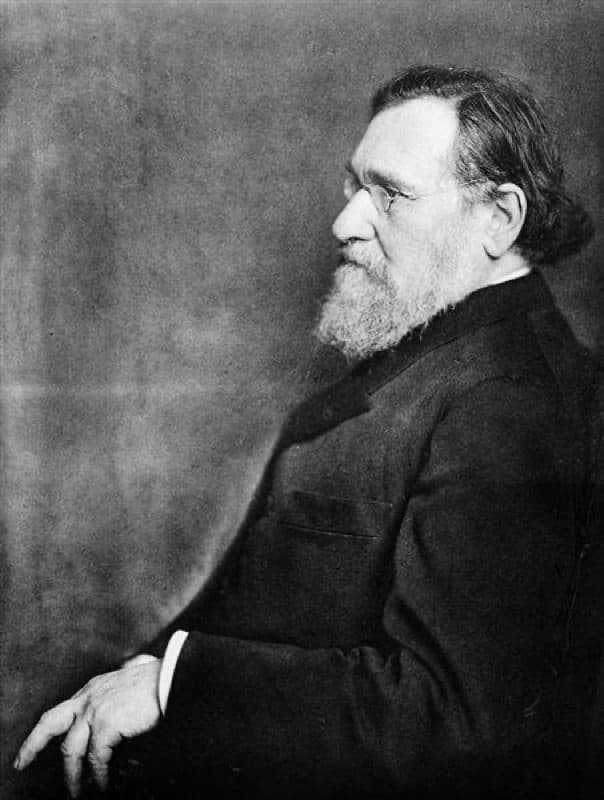
Inflammaging refers to chronic, sterile, low-grade inflammation that develops during aging. "Sterile" because it's not a response to infection. "Low-grade" because it's subtle, not the obvious inflammation of a wound or illness.
Research defines it as elevated blood levels of inflammatory markers without acute illness. Someone with inflammaging won't feel inflamed in the way they'd feel a swollen ankle. It's subclinical, detectable only through laboratory tests.
But the effects accumulate over decades.
Why It Happens
Several interconnected processes drive inflammaging:
Cellular senescence. Cellular senescence is a state where cells stop dividing but don't die. As we age, more cells enter senescence. These zombie cells secrete inflammatory factors called the SASP (senescence-associated secretory phenotype). Even when senescent cells comprise only 2-3% of tissue, they produce enough SASP to significantly increase local and systemic inflammation.
Immune system changes. Immunosenescence is the process by which the immune system becomes simultaneously less effective at fighting pathogens and more prone to inflammatory activation. This paradox, being weaker yet more inflamed, is characteristic of aging.
Damaged mitochondria. Dysfunctional mitochondria are organelles that release signals which activate inflammatory pathways. As mitochondrial dysfunction increases with age, so does this source of inflammation.
Gut changes. Increased intestinal permeability, also known as "leaky gut," is a condition that allows bacterial products to enter the bloodstream and trigger immune responses. Gut microbiome changes with age also affect inflammatory tone.
Chronic infections. Persistent viral infections, like cytomegalovirus (CMV), which most adults carry, can keep the immune system in a state of chronic activation. Cytomegalovirus, also known as CMV, is one such persistent infection that drives chronic immune activation.
Metabolic dysfunction. Visceral fat is metabolically active tissue that produces inflammatory cytokines. The more visceral fat present, the higher the inflammatory burden. Metabolic syndrome is both a cause and consequence of inflammation.
The Evidence: Inflammation Predicts Bad Outcomes
The link between inflammaging and disease isn't theoretical. It's demonstrated repeatedly in large population studies.
Mortality Risk
Studies consistently find that higher levels of inflammatory markers predict mortality. According to Dr. Luigi Ferrucci, scientific director at the National Institute on Aging and a leading researcher in inflammaging, "Chronic inflammation is not just a marker of aging but an active driver of the aging process itself, directly contributing to functional decline and disease." Data from the Cardiovascular Health Study found that elevated IL-6 (interleukin-6) and CRP (C-reactive protein) were associated with more than double the risk of death in elderly individuals.
Findings from the PolSenior study of several thousand elderly Poles (Immunity & Ageing, 2016) showed that higher IL-6 and CRP independently predicted death. The gradient was steep: three-year mortality among successfully aging seniors climbed from 2.9% in the lowest IL-6 quartile to 25.3% in the highest.
Importantly, this association held after adjusting for age, sex, body weight, kidney function, and smoking, and it persisted even in seniors free of major aging-related disease. Inflammation predicts mortality independently.
Disease Connections
Inflammaging is a risk factor for:
- Cardiovascular disease: Chronic inflammation promotes atherosclerosis, plaque formation, and cardiovascular events.
- Type 2 diabetes: Inflammation impairs insulin signaling and contributes to insulin resistance.
- Cancer: Chronic inflammation creates an environment that supports tumor development and progression.
- Dementia: Neuroinflammation contributes to neurodegeneration and is implicated in Alzheimer's disease.
- Sarcopenia: Inflammation promotes muscle breakdown and inhibits muscle protein synthesis.
- Frailty: Elevated inflammatory markers predict physical decline and loss of independence.
- Depression: Inflammation affects brain function and mood regulation.
The relationship often goes both ways. Chronic diseases cause inflammation, and inflammation accelerates disease progression. This creates a negative spiral where aging, inflammation, and disease reinforce each other.
The Senescent Cell Connection
One of the most important sources of inflammaging is cellular senescence. Understanding this connection helps explain why inflammation increases with age.
When cells become damaged beyond repair (by DNA damage, oxidative stress, or other insults), they can either die (apoptosis) or enter senescence. Senescent cells permanently exit the cell cycle, meaning they can no longer divide.
This seems protective. Stopping damaged cells from dividing prevents cancer. And indeed, cellular senescence is a tumor suppression mechanism.
But there's a dark side.
The SASP Problem
Senescent cells don't just sit quietly. The senescence-associated secretory phenotype, also known as the SASP, is the cocktail of inflammatory molecules, growth factors, and tissue-degrading enzymes that senescent cells actively secrete.
The SASP includes:
- IL-6 and IL-8: Core inflammatory cytokines
- TNF-alpha: Another key inflammatory mediator
- Matrix metalloproteinases: Enzymes that break down structural tissue
- Growth factors: That can promote cancer in nearby cells
IL-6 and IL-8 are core inflammatory cytokines. TNF-alpha is another key inflammatory mediator. Matrix metalloproteinases are enzymes that break down structural tissue, and the growth factors in the SASP can promote cancer in nearby cells.
This secretion isn't brief. Senescent cells persist and continue producing SASP for years or decades.
The Cascade Effect
The SASP can induce senescence in neighboring healthy cells, creating a spreading wave of dysfunction. Research shows that the inflammatory factors secreted by senescent cells can trigger senescence in surrounding tissue, expanding the problem beyond the original damaged cells.
With age, senescent cells accumulate. By some estimates, they can comprise a meaningful percentage of cells in multiple tissues by later life. Even at low percentages, their inflammatory output significantly elevates systemic inflammation.
Key takeaway: Senescent cells make up just 2-3% of tissue yet secrete enough SASP to drive systemic inflammation, and the SASP can push neighboring healthy cells into senescence, expanding the problem over years and decades.
Senolytics are drugs that target and clear senescent cells. This is why targeting senescent cells with senolytics has become an active area of longevity research. If you can clear senescent cells, you may be able to reduce inflammaging at its source.
Measuring Your Inflammatory Status
Several blood tests can assess inflammatory burden:
C-Reactive Protein (hs-CRP)
The most commonly used clinical marker. C-reactive protein, also known as CRP, is a protein produced by the liver in response to inflammation. The high-sensitivity version (hs-CRP) is a more sensitive assay that can detect low-grade chronic inflammation. According to Dr. Paul Ridker, director of the Center for Cardiovascular Disease Prevention at Brigham and Women's Hospital and lead investigator of the landmark CANTOS trial, "CRP is not just a marker of inflammation but represents a therapeutic target, as demonstrated by our trial showing that reducing inflammation reduces cardiovascular events."
What to aim for: Below 1.0 mg/L is optimal. Above 3.0 mg/L is associated with significantly increased cardiovascular and mortality risk based on current evidence as of 2026.
Caveats: CRP is non-specific. It can be elevated from acute infection, injury, or many other causes. Single readings aren't definitive. Patterns over time are more meaningful.
IL-6 (Interleukin-6)
IL-6, also known as interleukin-6, is an "upstream" inflammatory marker that triggers CRP production and is often elevated before CRP rises. Some researchers consider it a more sensitive indicator.
Availability: Less commonly ordered than CRP, but available through most labs.
Other Markers
Fibrinogen is a clotting factor that increases with inflammation. ESR, also known as erythrocyte sedimentation rate, is a general inflammation marker. Homocysteine is an amino acid whose elevated levels are associated with vascular inflammation.
- Fibrinogen: A clotting factor that increases with inflammation
- ESR (erythrocyte sedimentation rate): A general inflammation marker
- Homocysteine: Elevated levels associated with vascular inflammation
For more on testing and optimal ranges, see our biomarkers guide.
What Drives Inflammation Up
Understanding what elevates inflammation points toward what you can change.
What Increases Inflammation
Excess body fat, particularly visceral fat (belly fat). Fat tissue produces inflammatory cytokines. The more visceral fat, the higher the inflammatory burden.
Sedentary lifestyle. Lack of physical activity is associated with higher inflammatory markers.
Poor sleep. Chronic sleep deprivation elevates inflammatory markers. Sleep disorders like apnea are particularly inflammatory.
Chronic stress. Sustained psychological stress activates inflammatory pathways through cortisol and other mechanisms.
Smoking. Directly inflammatory. Smoking cessation reduces inflammation relatively quickly.
Excessive alcohol. Moderate alcohol may be neutral or slightly beneficial; excessive intake is inflammatory.
Ultra-processed diet. High intake of processed foods, added sugars, trans fats, and refined carbohydrates promotes inflammation.
Gut dysfunction. Increased intestinal permeability allows bacterial products to trigger immune responses.
Chronic infections. Periodontal disease, chronic viral infections, and other persistent infections maintain inflammatory activation.
Environmental factors. Air pollution, toxic exposures, and other environmental insults can drive chronic inflammation. The same exposures track with faster brain aging across 34 countries.
What Brings Inflammation Down
The encouraging news: inflammation is modifiable. Many lifestyle factors have demonstrated anti-inflammatory effects.
Diet
The evidence for anti-inflammatory diets is strong. According to researchers at Harvard, the evidence is strongest for arthritis, gastrointestinal health, heart health, and autoimmune conditions.
Anti-inflammatory foods:
- Fatty fish (omega-3s reduce IL-6 and CRP)
- Olive oil (oleocanthal has anti-inflammatory properties)
- Leafy greens and colorful vegetables
- Berries and other antioxidant-rich fruits
- Nuts, especially walnuts
- Whole grains
- Legumes
Pro-inflammatory foods to minimize:
- Ultra-processed foods
- Added sugars
- Trans fats (largely eliminated but still in some foods)
- Excessive refined carbohydrates
- Processed meats
The Mediterranean diet consistently shows anti-inflammatory effects and is associated with lower CRP and other inflammatory markers.
Exercise
Regular physical activity is one of the most reliable ways to reduce inflammation. Research shows that exercise lowers CRP levels independent of weight loss.
The paradox: acute exercise temporarily increases inflammation (which signals adaptation), but chronic regular exercise reduces baseline inflammation. This is the same pattern we see with exercise and longevity more broadly.
Both aerobic exercise and resistance training have anti-inflammatory effects. Consistency matters more than intensity.
Sleep
Adequate sleep (7-8 hours for most adults) reduces inflammatory markers. Sleep deprivation has the opposite effect.
Addressing sleep disorders like sleep apnea is particularly important, as these conditions substantially elevate inflammation.
See our sleep and aging article for more.
Stress Management
Chronic psychological stress elevates inflammatory markers. Interventions that reduce stress, including meditation, social support, and addressing underlying causes, can reduce inflammation.
See our stress, mindset, and longevity article.
Weight Management
Losing excess body fat, particularly visceral fat, significantly reduces inflammatory markers. This is one mechanism by which weight loss improves metabolic health.
Even modest weight loss (5-10%) can produce meaningful reductions in CRP and other inflammatory markers.
Not Smoking
Smoking is directly inflammatory. Cessation reduces inflammatory markers within weeks to months.
The Integrated View
Inflammation doesn't exist in isolation. It's both cause and consequence of other aging processes.
Inflammation drives:
- Oxidative stress (and oxidative stress increases inflammation)
- Insulin resistance (and metabolic dysfunction increases inflammation)
- Cellular senescence (and senescent cells produce inflammation)
- Tissue damage (and tissue damage triggers inflammation)
This interconnection is why lifestyle interventions that affect multiple pathways are so effective. Exercise reduces inflammation while also improving metabolic health, reducing oxidative stress, and promoting autophagy. Good nutrition reduces inflammation while also supporting metabolic health and reducing the substrate for oxidative damage.
You can't fully separate these processes. That's actually good news: interventions that work on one system tend to help across multiple systems.
In short, inflammation is both a cause and a consequence of oxidative stress, insulin resistance, cellular senescence, and tissue damage, so a single intervention like exercise or good nutrition tends to improve several aging pathways at once.
Practical Takeaways
Inflammaging is real, measurable, and modifiable. Here's what to do with that knowledge:
Monitor (Periodically)
Get hs-CRP tested annually or every few years. It's part of understanding your baseline and tracking whether your interventions are working.
Don't panic about a single elevated reading. Look for patterns over time. If CRP is consistently elevated without obvious acute cause, it warrants attention.
Start With the Basics
The same lifestyle factors that support longevity reduce inflammation:
- Regular physical activity (both aerobic and resistance training)
- Adequate sleep (7-8 hours, address sleep disorders)
- Healthy body weight (especially reducing visceral fat)
- Anti-inflammatory diet (Mediterranean pattern or similar)
- Stress management
- Not smoking, moderate alcohol
These aren't separate interventions. They're reinforcing components of an integrated approach to healthy aging.
Consider What's Elevated
If inflammation markers are high despite good lifestyle habits, consider:
- Undiagnosed sleep apnea
- Hidden infections (dental, chronic viral)
- Autoimmune conditions
- Gut issues
- Environmental exposures
Work with your healthcare provider to identify potential sources.
Think Long-Term
Inflammaging develops over decades. The interventions that address it work best when sustained over time. Short-term dramatic changes followed by returning to old patterns won't provide lasting benefit.
The goal isn't perfection. It's sustained reasonable habits that keep inflammatory burden low over years and decades.
The Bottom Line
Chronic low-grade inflammation, inflammaging, is one of the central features of biological aging. It's driven by senescent cells, immune dysfunction, metabolic problems, and lifestyle factors. It predicts mortality and age-related disease independently of other risk factors.
But it's modifiable.
The same lifestyle interventions that extend healthspan, regular exercise, adequate sleep, healthy nutrition, stress management, healthy body weight, all reduce inflammatory burden. You don't need special anti-inflammatory protocols. You need sustained attention to the fundamentals.
Inflammation connects exercise, sleep, nutrition, stress, and body composition to aging and disease. It's why these lifestyle factors matter, and it's one of the primary mechanisms through which they work.
The fire is burning. But you have significant control over how hot it gets.
Frequently Asked Questions
What is inflammaging?
Inflammaging is chronic, sterile, low-grade inflammation that develops during aging. "Sterile" means it isn't a response to infection, and "low-grade" means it's subtle, not the obvious inflammation of a wound or illness. It's subclinical and detectable only through laboratory tests, but its effects accumulate over decades. Researcher Claudio Franceschi coined the term in 2000.
How much does inflammation raise mortality risk?
A lot, and independently of other factors. Research from the Cardiovascular Health Study found elevated IL-6 and CRP were associated with more than double the risk of death in elderly people. The PolSenior study of elderly Poles (Immunity & Ageing, 2016) found the same pattern: three-year mortality among successfully aging seniors rose from 2.9% in the lowest IL-6 quartile to 25.3% in the highest, and the link held after adjusting for age, sex, body weight, kidney function, and smoking.
How do senescent cells drive systemic inflammation?
Senescent cells stop dividing but don't die, and they secrete a cocktail of inflammatory molecules, growth factors, and tissue-degrading enzymes called the SASP (senescence-associated secretory phenotype). Even when they make up only 2-3% of tissue, they produce enough SASP to significantly raise local and systemic inflammation. The SASP can also push neighboring healthy cells into senescence, creating a spreading wave of dysfunction.
What blood test should I use to measure inflammation?
High-sensitivity CRP (hs-CRP) is the most commonly used clinical marker. Below 1.0 mg/L is optimal; above 3.0 mg/L is associated with significantly increased cardiovascular and mortality risk. CRP is non-specific, so single readings aren't definitive; patterns over time matter more. IL-6 is an upstream marker that often rises before CRP, and some researchers consider it more sensitive.
What lifestyle changes lower inflammation?
The same factors that support longevity: a Mediterranean or anti-inflammatory diet, regular exercise (both aerobic and resistance training), 7-8 hours of sleep, stress management, losing excess visceral fat, and not smoking. Even modest weight loss of 5-10% can meaningfully reduce CRP. Exercise lowers CRP independent of weight loss.
My inflammation markers are high despite healthy habits. What now?
Look for hidden drivers. Consider undiagnosed sleep apnea, hidden infections (dental or chronic viral), autoimmune conditions, gut issues, or environmental exposures. Work with your healthcare provider to identify the source rather than assuming your lifestyle is the problem.
Sources
-
Franceschi, C., et al. (2018). "Inflammaging: a new immune-metabolic viewpoint for age-related diseases." Nature Reviews Endocrinology. Link
-
Franceschi, C. & Campisi, J. (2014). "Chronic inflammation (inflammaging) and its potential contribution to age-associated diseases." Journals of Gerontology. Link
-
Ferrucci, L. & Fabbri, E. (2018). "Inflammageing: chronic inflammation in ageing, cardiovascular disease, and frailty." Nature Reviews Cardiology. Link
-
Coppe, J.P., et al. (2010). "The senescence-associated secretory phenotype: the dark side of tumor suppression." Annual Review of Pathology. Link
-
Tchkonia, T., et al. (2013). "Cellular senescence and the senescent secretory phenotype: therapeutic opportunities." Journal of Clinical Investigation. Link
-
Ferrucci, L., et al. (1999). "Serum IL-6 level and the development of disability in older persons." Journal of the American Geriatrics Society. PMID: 10366160
-
Ridker, P.M., et al. (2017). "Antiinflammatory Therapy with Canakinumab for Atherosclerotic Disease." New England Journal of Medicine. PMID: 28845751
-
Harvard Health. "Foods that fight inflammation." Link
-
Puzianowska-Kuźnicka, M., et al. (2016). "Interleukin-6 and C-reactive protein, successful aging, and mortality: the PolSenior study." Immunity & Ageing. PMID: 27274758. Link
Funding Transparency
LSD is editorially independent. We receive no funding from pharmaceutical, supplement, or longevity companies.
In the interest of full transparency, here are the funding relationships behind the research cited above:
-
Source 7 (Ridker et al. 2017, NEJM / CANTOS trial): This trial was funded by Novartis, the manufacturer of canakinumab, the drug being tested. Lead investigator Paul Ridker received research funding from Novartis and holds patents at Brigham and Women's Hospital related to the use of inflammatory biomarkers in cardiovascular diagnosis and treatment. The findings were independently validated and are widely accepted, but the pharmaceutical funding is worth noting.
-
Sources 2, 4, and 5 (Franceschi and Campisi 2014; Coppe et al. 2010; Tchkonia et al. 2013): Judith Campisi, a co-author on all three papers, was a scientific co-founder of Unity Biotechnology, a company developing senolytic therapies to clear senescent cells. She held an equity stake and received research grants from Unity. James Kirkland and Tamara Tchkonia (Source 5) held Mayo Clinic patents on senolytic drugs that were licensed to Unity Biotechnology. These disclosures were made in accordance with institutional conflict-of-interest policies, and the underlying science on the SASP is well-replicated across independent labs.
-
Sources 1, 3, 6, and 8 (Franceschi et al. 2018; Ferrucci and Fabbri 2018; Ferrucci et al. 1999; Harvard Health editorial): No pharmaceutical, supplement, or longevity company funding declared. Sources 3 and 6 are from researchers at the National Institute on Aging, a U.S. government body. Source 8 is public-facing editorial content, not a primary research study.
-
Source 9 (Puzianowska-Kuźnicka et al. 2016, PolSenior): Funded by the Polish Ministry of Science and Higher Education, a government body. No pharmaceutical, supplement, or longevity company funding declared.
Related Reading
- The 12 Hallmarks of Aging - Inflammation as a central hallmark
- Exercise and Longevity - How movement reduces inflammation
- Nutrition and Longevity - Anti-inflammatory diet patterns
- The Supplement Landscape - Omega-3s and anti-inflammatory compounds
- Your Body's Biomarkers - Measuring inflammatory markers
This is not medical advice. If you have concerns about inflammation or related health conditions, consult with your healthcare provider for personalized evaluation and guidance.
Written with the help of AI tools, shaped and verified by humans who care about getting this right.