Some of your cells have stopped dividing. They are not dead. They are not dormant. They sit in your tissues, metabolically active, leaking a cocktail of inflammatory proteins into everything around them. They have a name: senescent cells. And understanding cellular senescence may be one of the most important frontiers in modern aging research.
Why Cellular Senescence Matters for Longevity
Cellular senescence is the state in which a cell permanently stops dividing yet stays metabolically active, leaking inflammatory proteins into the tissue around it. A senescent cell is a cell that has entered this state.
In 2011, a research team at Mayo Clinic published a paper in Nature that changed how the field thinks about aging. Darren Baker, PhD, and Jan van Deursen, PhD, showed that selectively removing senescent cells in mice delayed the onset of age-related dysfunction in adipose tissue, skeletal muscle, and the eye. Five years later, the same group showed that lifelong clearance of these cells extended median lifespan by 17 to 35 percent depending on the mouse strain.
To put that number in perspective: a 25% median lifespan extension in a mammal is one of the largest single-intervention effects ever recorded, comparable to the most aggressive caloric restriction protocols.
The implication was uncomfortable for the field. If a small population of dysfunctional cells could drive so much of what we call aging, then aging might be more tractable than anyone thought. You wouldn't need to reverse every molecular insult of time. You'd need to take out the cells doing the most damage.
That idea is now one of the most active areas in longevity research, and it's starting to leak into supplement marketing, biotech IPOs, and clinical trials. Most of the marketing is ahead of the science. The science itself is genuinely promising.
The Biology of Cellular Senescence
Cellular senescence was first described in 1961 by Leonard Hayflick, PhD, a cell biologist at the Wistar Institute in Philadelphia. His original paper in Experimental Cell Research showed that human fibroblasts in culture divide a fixed number of times (approximately 50 population doublings), then permanently stop. They don't die. They just stop dividing.
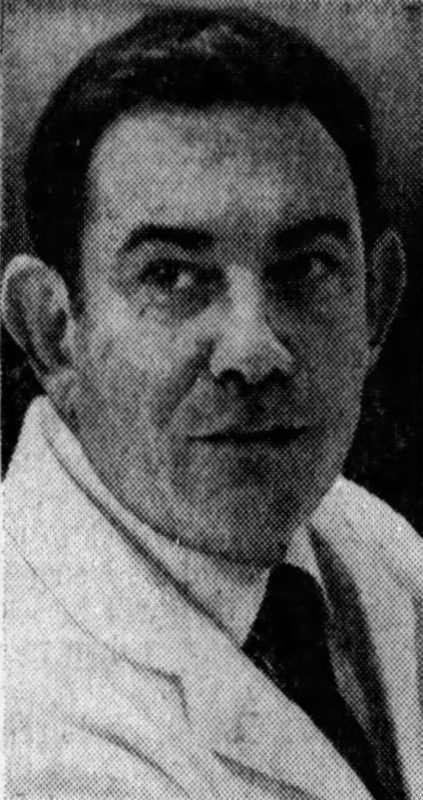
For decades this was treated as a curiosity of cell culture. Then researchers realized cellular senescence was happening in living tissue, and it was doing things.
Zombie cells, also known as senescent cells, are the popular name for cells that have stopped dividing but stay alive and active.
A senescent cell has three defining features:
- It permanently exits the cell cycle. The brakes go on and stay on, usually through the p16-INK4a or p21 pathway.
- It resists apoptosis, the normal cell death program. The cell becomes hard to kill.
- It adopts the senescence-associated secretory phenotype (SASP). Judith Campisi, PhD, at the Buck Institute coined that term. Research published in Annual Review of Pathology (2010) showed that senescent cells pump out inflammatory cytokines (IL-6, IL-8, TNF-alpha), matrix-degrading proteases, and growth factors.
That third feature is the problem. A senescent cell isn't just sitting there. It's actively rewiring the tissue around it.
Cellular senescence is a process with legitimate biological functions, not only a driver of aging. Those functions are:
- Tumor suppression. It evolved as a tumor suppressor mechanism: a cell that has accumulated dangerous mutations stops dividing instead of becoming cancerous.
- Wound healing. It plays a role in wound healing, where transient senescent cells help recruit immune cells and remodel tissue.
- Embryonic development. It's essential during embryonic development.
The trouble starts when senescent cells accumulate faster than the immune system clears them. That balance shifts with age, and understanding why it shifts is central to the hallmarks of aging framework.
The SASP and Chronic Inflammation
The senescence-associated secretory phenotype is the mechanistic link between cellular senescence and almost every age-related disease.
Inflammaging is the chronic low-grade inflammation that rises predictably with age, a concept formalized by Dr. Claudio Franceschi in a 2018 review in Nature Reviews Endocrinology. It tracks with cardiovascular disease risk (hazard ratio 1.4 to 2.1), type 2 diabetes (relative risk 1.3 to 1.7), neurodegeneration, sarcopenia, and frailty.
The SASP is one of its main drivers. A handful of senescent cells in a tissue can recruit immune cells, damage neighboring healthy cells, and even induce senescence in cells that were previously fine. Paracrine senescence is the name for that effect: a few zombie cells turn their neighbors into more zombie cells.
A 2018 study in Nature Medicine by Ming Xu, PhD, and colleagues at Mayo Clinic made the point dramatically. Transplanting a small number of senescent cells (approximately 500,000, representing less than 0.01% of body mass) into young mice produced measurable physical dysfunction within two weeks.
Grip strength declined by 15%. Walking speed decreased by 20 to 25%. Lifespan shortened, even though the transplanted cells made up a tiny fraction of total cell mass. The damage wasn't from the cells themselves. It was from what they secreted.
This is why the field shifted from studying cellular senescence as a cellular phenomenon to treating it as a systemic one. The cells are local. The inflammatory signals are everywhere.
Senolytics: Drugs That Target Senescent Cells
A senolytic is a drug that selectively kills senescent cells while sparing healthy ones. The term senolytics refers to this whole class of compounds.
In 2015, James Kirkland, MD, PhD, and colleagues at Mayo Clinic published the paper in Aging Cell that launched the senolytics field. They showed that senescent cells depend on specific anti-apoptotic pathways (particularly BCL-2/BCL-xL) to survive, and that combining the cancer drug dasatinib with the plant flavonoid quercetin selectively killed senescent cells in mice while sparing healthy ones.
The selectivity ratio was approximately 10:1, killing senescent cells at concentrations that had minimal effect on non-senescent tissue.
D+Q, also known as the dasatinib plus quercetin combination, remains the most studied senolytic regimen.
Human data on D+Q is still thin but no longer absent.
In 2019, a first-in-human study in EBioMedicine gave D+Q to 14 patients with idiopathic pulmonary fibrosis. The trial led by Jamie Justice, PhD, reported significant improvements in 6-minute walk distance (an increase of about 21.5 meters), along with 4-meter gait speed and chair-stand time, all clinically meaningful (p < 0.05), over three weeks of intermittent dosing. There was no placebo arm, so the result is suggestive rather than conclusive.
In a separate 2019 open-label pilot in EBioMedicine, the same Mayo Clinic group gave D+Q to 9 patients with diabetic kidney disease. Within 11 days the treatment lowered the senescent-cell burden in fat tissue, with fewer p16- and p21-positive cells, and reduced circulating SASP factors including IL-6, MMP-9, and MMP-12. It was the first study to show directly that senolytics clear senescent cells in people, though with just 9 patients and no placebo arm the result is preliminary.
In 2024, the SToMP-AD trial (NCT04685590) completed its phase 2 study of D+Q in Alzheimer's disease. Preliminary data presented at the Alzheimer's Association International Conference showed the combination was safe and reduced CSF markers of cellular senescence, though cognitive outcomes have not yet been published.
Fisetin, another flavonoid found in strawberries and apples, has shown senolytic activity in mice at high doses (approximately 100 mg/kg). The AFFIRM-LITE study at Mayo Clinic is testing it in older adults. Fisetin is widely sold as a supplement at doses based entirely on mouse extrapolations, with no human efficacy data supporting the claims on the label.
Why Don't Mouse Results Translate to Humans?
Most of the spectacular lifespan results come from genetically engineered mice. The Mayo Clinic studies used INK-ATTAC mice, which carry a transgene that triggers apoptosis specifically in p16-positive cells when the animals are given a drug.
This isn't how senolytics work in humans. A drug like D+Q has to do three hard things at once:
- Find senescent cells.
- Distinguish them from stressed-but-healthy cells.
- Kill them without damaging tissue.
The genetic models cheat by making clearance perfect and specific. The difference in specificity is estimated at 95% (transgenic models) versus 60 to 70% (pharmacological).
There are also context-dependent problems, because senescent cells do useful work in several tissues:
- Senescent cells in skin help wound healing.
- Senescent cells in early embryos shape organ development.
- Senescent cells in tumors block cancer progression.
A drug that wipes out senescent cells indiscriminately could compromise these functions.
The biomarkers we use to identify cellular senescence are also messy. p16-INK4a, p21, and senescence-associated beta-galactosidase (SA-beta-gal) are the standard markers, but none is specific to senescence. Each can also appear in stressed-but-healthy cells, so no single marker reliably distinguishes a truly senescent cell, and the field now leans on combining several rather than trusting any one.
There is no single clean definition of a senescent cell, which makes both research and drug development harder than it should be. Stressed cells can transiently express these markers without being truly senescent.
The next generation of senolytics is becoming more selective. Researchers at Unity Biotechnology, Rubedo Life Sciences, and academic labs are developing compounds that target specific senescent cell subtypes using surface markers (like uPAR, B2M, or DPP4) rather than broad apoptosis pathways. This targeted approach, also known as precision senolytics, aims for tissue-specific clearance with fewer off-target effects.
Practical Implications
This is the section where most longevity content goes off the rails. Let me try not to.
The honest answer for healthy adults is direct: there's no proven senolytic intervention you can take today that will extend your lifespan or healthspan. The clinical data doesn't support that claim for any product, prescription or otherwise.
What the evidence does support:
Exercise reduces senescent cell burden. A 2021 study in Aging Cell by Englund and colleagues at Mayo Clinic found that a 12-week structured exercise program significantly lowered key markers of the senescence program (p16, p21, cGAS, and TNF-alpha) in the immune cells of older adults, along with several circulating senescence-related proteins. Baseline levels of those proteins also predicted who gained the most physical function from exercise.
Caloric restriction and time-restricted eating reduce senescence markers in animal models and small human studies. Research by Valter Longo, PhD, at the University of Southern California has shown that periodic fasting and fasting-mimicking cycles can lower markers of cellular senescence in mouse tissues. Human data on fasting protocols is still preliminary.
Avoiding chronic inflammation matters. Several common exposures all accelerate cellular senescence accumulation:
- Visceral adiposity
- Poor sleep
- Smoking
- Chronic infections
Higher visceral adiposity is consistently linked to accelerated epigenetic aging, an effect thought to be mediated in part through increased senescent cell burden in fat tissue.
Senomorphics may offer partial benefit. A senomorphic is a compound that suppresses the SASP without killing senescent cells. Rapamycin and metformin have some senomorphic activity. The Interventions Testing Program found that rapamycin extends mouse lifespan by 9 to 14% depending on sex and dosing schedule, and some of this effect likely involves SASP suppression.
If you're considering fisetin or other supplemental senolytics, understand what you're buying. The doses sold in commercial products (typically 100 to 500 mg) are based on mouse extrapolations that assumed human bioavailability equivalent to mice. Actual human oral bioavailability of fisetin is estimated at less than 5%. Long-term safety data doesn't exist.
Key takeaway: the strongest human evidence today points to lifestyle, not senolytic drugs. Regular exercise measurably lowers senescence markers in older adults, caloric restriction and lower chronic inflammation are supported mainly by animal and preliminary human data, and no senolytic compound has yet been shown to extend human healthspan.
Frequently Asked Questions
How do the hallmarks of aging interact with cellular senescence?
Cellular senescence is one of the twelve hallmarks of aging identified in the 2023 updated framework in Cell. It connects directly to at least four other hallmarks:
- Genomic instability (DNA damage triggers senescence)
- Mitochondrial dysfunction (dysfunctional mitochondria in senescent cells amplify ROS production)
- Altered intercellular communication (via the SASP)
- Chronic inflammation
The 2023 hallmarks paper by Lopez-Otin and colleagues describes cellular senescence as a "hub hallmark" that amplifies other aging processes.
Can you reverse cellular senescence once it has started?
Senescence is largely irreversible at the cellular level, which is why the field focuses on removal (senolytics) rather than reversal. However, a 2022 study in Nature Aging from the Izpisua Belmonte lab at the Salk Institute (Browder et al.) showed that long-term partial reprogramming with Yamanaka factors produced rejuvenating effects in tissues like the kidney and skin in aging mice, reverting the epigenetic clock and lowering the expression of genes tied to inflammation and senescence. This approach is experimental and carries cancer risk.
What is the most important hallmark of aging to target first?
There's no consensus answer, and it depends on what you optimize for. Cellular senescence is often described as among the most druggable hallmarks, because senolytic and senomorphic tools already exist and are being tested in humans. Genomic instability and epigenetic alterations are arguably more foundational, since they sit upstream of much of the damage, but they are harder to target directly.
The practical answer is a tradeoff between tractability and theoretical importance. Most groups working on near-term interventions focus on cellular senescence because the tools exist, not because the field has settled it as the single most important hallmark.
Sources
- Baker DJ, Wijshake T, Tchkonia T, et al. "Clearance of p16Ink4a-positive senescent cells delays ageing-associated disorders." Nature. 2011;479(7372):232-236. PMID: 22048312
- Baker DJ, Childs BG, Durik M, et al. "Naturally occurring p16(Ink4a)-positive cells shorten healthy lifespan." Nature. 2016;530(7589):184-189. PMID: 26840489
- Coppé JP, Desprez PY, Krtolica A, Campisi J. "The senescence-associated secretory phenotype: the dark side of tumor suppression." Annu Rev Pathol. 2010;5:99-118. PMID: 20078217
- Franceschi C, Garagnani P, Parini P, Giuliani C, Santoro A. "Inflammaging: a new immune-metabolic viewpoint for age-related diseases." Nat Rev Endocrinol. 2018;14(10):576-590. PMID: 30046148
- Xu M, Pirtskhalava T, Farr JN, et al. "Senolytics improve physical function and increase lifespan in old age." Nat Med. 2018;24(8):1246-1256. PMID: 29988130
- Zhu Y, Tchkonia T, Pirtskhalava T, et al. "The Achilles' heel of senescent cells: from transcriptome to senolytic drugs." Aging Cell. 2015;14(4):644-658. PMID: 25754370
- Justice JN, Nambiar AM, Tchkonia T, et al. "Senolytics in idiopathic pulmonary fibrosis: Results from a first-in-human, open-label, pilot study." EBioMedicine. 2019;40:554-563. PMID: 30616998
- Hickson LJ, Langhi Prata LGP, Bobart SA, et al. "Senolytics decrease senescent cells in humans: Preliminary report from a clinical trial of Dasatinib plus Quercetin in individuals with diabetic kidney disease." EBioMedicine. 2019;47:446-456. PMID: 31542391
- Englund DA, Sakamoto AE, Fritsche CM, et al. "Exercise reduces circulating biomarkers of cellular senescence in humans." Aging Cell. 2021;20(7):e13415. PMID: 34101960
- Browder KC, Reddy P, Yamamoto M, et al. "In vivo partial reprogramming alters age-associated molecular changes during physiological aging in mice." Nat Aging. 2022;2(3):243-253. PMID: 37118377
Funding Transparency
Several scientists and institutions mentioned in this article have financial interests worth noting.
James Kirkland and the Mayo Clinic group hold patents on senolytic combinations including D+Q. Their disclosure statements note they have licensed these patents to multiple companies. Kirkland has equity in and serves as a consultant for several biotech companies in the senescence space.
Unity Biotechnology was co-founded by Judith Campisi, Nathaniel David, and Jan van Deursen, three of the most prominent researchers in the senescence field. SEC filings show the company raised over $220 million and faced significant clinical setbacks, including the failed UBX0101 osteoarthritis trial in 2020 (p=0.48 vs placebo on the primary endpoint).
Life Biosciences, Rubedo Life Sciences, and Cleara Biotech are all developing senolytic or senomorphic compounds and have raised substantial venture capital. Several prominent academic researchers serve as scientific advisors or hold equity in these companies.
The supplement industry has aggressively marketed fisetin, quercetin, and other compounds with senolytic claims. Market research by Grand View Research estimates the global senolytic supplement market reached approximately $180 million in 2024. None of these products have undergone the kind of clinical testing that would justify their marketing claims.
The 2022 partial-reprogramming study in Nature Aging (Browder et al.) was a joint effort between the Salk Institute and Genentech, and several of its authors, including senior author Juan Carlos Izpisua Belmonte, are now affiliated with Altos Labs, a company founded to commercialize cellular-reprogramming approaches to aging.
The author has no financial relationships with any of these companies or products.
Related Reading
- The Hallmarks of Aging - Where cellular senescence fits within the current scientific model of why we age
- Inflammation and Aging - The SASP connects senescent cells to chronic inflammation
- NAD+ Supplements - Another molecule linked to aging biology with a gap between marketing and evidence
- Mitochondrial Health - How mitochondrial dysfunction intersects with cellular senescence
- The Supplement Landscape - Context for evaluating fisetin and quercetin claims
Cellular senescence was once a curiosity of cell culture. It's now one of the most actively investigated targets in aging biology. The science is real. The hype is ahead of the science. Both things can be true at the same time.
Written with the help of AI tools, shaped and verified by humans who care about getting this right.
This is not medical advice. Consult your healthcare provider before making decisions about senolytic supplements, drugs, or interventions mentioned in this article.