A molecule that runs your cells is getting sold in bottles. Here is what the evidence actually supports, and what it doesn't.
Why This Matters
Walk into any longevity clinic in 2026 and someone will mention NAD+. You can get it as a pill, a sublingual tablet, or a $400 intravenous drip. Podcasters promote it. Harvard professors promote it. A woman at my gym last month said her husband takes 1,000 mg of NMN every morning and "feels younger." I hadn't tried it. I'd filed NAD+ under "things to get to eventually."
This is eventually. So I did what I wished someone had done for me earlier. I read the trials. I read the critiques of the trials. I read the critics of the critics. And what I found surprised me, because the story is simpler and stranger than I expected.
The short version: NAD+ supplements almost certainly raise your blood NAD+ levels. That part is real, and it has been shown in at least a dozen randomized trials. Whether raising your blood NAD+ does anything meaningful for a healthy adult is a completely different question, and the honest answer is that we don't really know yet. The two scientists most famous for championing these supplements happen to sell competing versions of them. And the FDA spent three years unable to decide whether one of the most popular forms was even legal.
This is the piece I wanted to read a year ago.
NAD+, In Plain Terms
NAD+ is the abbreviation for nicotinamide adenine dinucleotide. It's a coenzyme, which means it's a small molecule that other proteins need to do their jobs. If enzymes are the machinery of your cell, coenzymes are the tools those machines hold in their hands.
Your cells use NAD+ for three critical things:
-
Making energy. NAD+ shuttles electrons through the steps that turn food into ATP, the chemical currency your cells actually spend. Every heartbeat, every thought, every muscle contraction requires ATP, and ATP production requires NAD+.
-
Activating sirtuins. Sirtuins are a family of seven proteins (SIRT1 through SIRT7) that regulate DNA repair, inflammation, and metabolic health. They can't do anything without NAD+. Every time a sirtuin fires, it consumes one NAD+ molecule.
-
Fueling DNA repair. PARP enzymes, which patch up damaged DNA, also consume NAD+. When you're young and healthy, that's a fine arrangement. When DNA damage accumulates with age, the constant repair work drains your NAD+ supply.
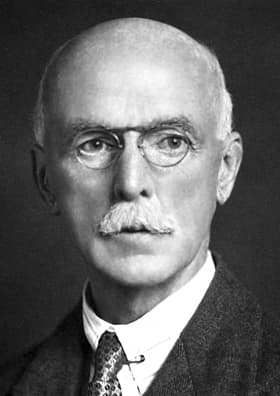
NAD+ has been in biology textbooks for more than a century. Arthur Harden first observed it in 1906, when he noticed that boiled yeast extract lost its ability to ferment sugar unless a small, heat-resistant cofactor was added back. He called the cofactor "cozymase." Otto Warburg later showed that it shuttles hydrogen during cellular respiration. Hans von Euler-Chelpin worked out its chemical structure. The 1929 Nobel Prize in Chemistry went to Harden and Euler-Chelpin for this work. NAD+ is not a new discovery. It's one of the most thoroughly characterized molecules in all of biochemistry.
What's new is the idea that supplementing it can make you younger.
The Aging Story
Starting around the 2000s, researchers began reporting that NAD+ levels drop substantially as mammals age. Some studies suggest tissue NAD+ concentrations in older adults are 30 to 50 percent lower than in younger adults. The mechanism behind the decline is still being worked out, but the current consensus points to an enzyme called CD38.
In a 2016 paper in Cell Metabolism, a team led by Eduardo Chini at Mayo Clinic showed that CD38 activity increases with age and actively destroys NAD+. Chini's group called the paper "Why NAD+ Declines During Aging: It's Destroyed." CD38 sits on the surface of immune cells, and as those cells become more inflammatory with age, they chew through the NAD+ supply. The same team later showed that senescent cells (the "zombie cells" implicated in aging) recruit CD38-expressing macrophages, creating a feedback loop that accelerates NAD+ depletion.
If NAD+ decline is causal in aging, then restoring it should have benefits. That's the entire thesis behind NAD+ supplements. The thesis is biologically reasonable. The question is whether it's true.
The Supplements on the Market
NAD+ itself is impossible to swallow as a direct supplement. The molecule is too large and unstable to survive your gut intact. So the supplements on the market are all precursors: smaller molecules your body can convert into NAD+ once they reach your cells.
Nicotinamide riboside (NR). Nicotinamide riboside is a NAD+ precursor discovered by Charles Brenner in 2004, when he was at Dartmouth. ChromaDex licensed his discovery and now sells it as Tru Niagen, currently priced at $49 per month for a 30-day supply at 300 mg per day, or $41.65 on subscription.
Nicotinamide mononucleotide (NMN). Nicotinamide mononucleotide is a precursor studied extensively by David Sinclair at Harvard and Shin-ichiro Imai at Washington University. Sinclair co-founded MetroBiotech to commercialize a proprietary crystalline NMN called MIB-626. MIB-626 is positioned as a pharmaceutical candidate, not a supplement. Over-the-counter NMN from companies like Wonderfeel, Renue by Science, and Life Extension typically runs $50 to $100 a month.
Niacin and nicotinamide. The original vitamin B3. These are the cheapest NAD+ precursors (a few dollars a month), have been in multivitamins for decades, and have an FDA-approved prescription form for lipid management. They're rarely marketed as longevity supplements, despite being in the same biochemical family.
Intravenous NAD+. Direct infusions, typically $300 to $800 per session at wellness clinics. These bypass the digestive system entirely. A 2024 pilot trial at a single clinic suggested IV NAD+ does raise blood levels during the infusion, but no controlled trial has tested whether IV administration produces lasting effects.
All of these ultimately feed into the same destination: more NAD+ inside your cells. They travel different routes to get there, and the routes matter less than the longevity industry has suggested.
The Human Trials, and Their Results
This is the part that matters most, and the part that usually gets skipped.
NR raises NAD+. Reliably.
The first definitive human trial was Martens et al. in Nature Communications in 2018. Twenty-four healthy adults aged 55 to 79 took 1,000 mg of NR daily for six weeks. Blood NAD+ rose by about 60 percent. The supplement was well tolerated. In a subgroup of 13 participants who started with elevated blood pressure, systolic pressure dropped by about 10 mmHg. That subgroup finding is worth noting, but it was exploratory and the trial wasn't designed to test blood pressure as a primary outcome.
Later trials confirmed the NAD+ elevation across different populations. The Dellinger et al. 2017 trial in npj Aging and Mechanisms of Disease tested NR plus pterostilbene in 120 older adults and found NAD+ rose by 40 to 90 percent in a dose-dependent fashion. The supplement was safe, but it also raised LDL cholesterol in the higher-dose group, which is the kind of tradeoff that rarely makes it into marketing materials.
NR doesn't seem to do much for insulin resistance.
Two well-designed trials asked whether NR could improve metabolic health in people who actually had metabolic problems. Both came up empty.
Dollerup et al. 2018 in the American Journal of Clinical Nutrition gave 40 obese, insulin-resistant men 2,000 mg of NR daily for 12 weeks. NAD+ went up. Insulin sensitivity did not improve. Body composition did not improve. No meaningful clinical benefit.
Remie et al. 2020, same journal, ran a crossover trial with 13 overweight and obese adults taking 1,000 mg of NR daily for six weeks. Skeletal muscle NAD+ rose. Four outcomes that were supposed to improve did not move at all:
- Insulin sensitivity did not change
- Mitochondrial function did not change
- Blood pressure did not change
- Inflammation markers did not change
The paper's honest conclusion was that NR raised NAD+ metabolites without delivering the clinical effects the hype had promised.
NMN and the Yoshino trial.
The most cited NMN trial in humans is Yoshino et al., published in Science in April 2021. Twenty-five postmenopausal women with prediabetes took 250 mg of NMN daily for 10 weeks. The NMN group showed improved muscle insulin sensitivity measured by a hyperinsulinemic-euglycemic clamp, which is the gold-standard method.
The result looked clean and got enormous attention. But a formal comment published in Science later that year pointed out a problem in the baseline data: the NMN group had a mean hepatic lipid content of 6.3 percent, while the placebo group had 14.8 percent. That's a more than twofold difference in liver fat between groups that were supposed to be matched at randomization. Given that liver fat is one of the strongest drivers of insulin resistance, a baseline imbalance that large means the NMN group was starting from a dramatically healthier metabolic state. The authors responded, but they didn't resolve the concern.
MIB-626 raises NAD+. And that's about it.
The Pencina et al. 2023 trial in the Journals of Gerontology: Series A is the best-designed NMN trial to date. Eighty middle-aged and older adults were randomized to placebo, 1,000 mg of MIB-626 once daily, or 1,000 mg twice daily for 28 days. Blood NAD+ rose substantially in both dose groups. The drug was safe and well tolerated.
Those were the primary outcomes. The secondary outcomes were the ones people actually cared about: did it improve physical performance? Did it lower biological age? Did it improve insulin sensitivity? Across all three, the answer was no difference between groups:
- The 6-minute walk test showed no difference
- Blood-based epigenetic age showed no difference
- HOMA-IR, a measure of insulin resistance, showed no difference
MIB-626 did exactly what you'd expect a pure NAD+ precursor to do at the biochemical level. It raised NAD+. Whatever was supposed to happen next didn't, at least not in 28 days.
The one positive hard-endpoint trial.
The NICE trial, published in Nature Communications in June 2024, is the most clinically meaningful result NAD+ precursors have delivered so far. Ninety patients with peripheral artery disease (PAD), a condition in which narrowed leg arteries make walking painful, were randomized to placebo, 1,000 mg of NR daily, or 1,000 mg of NR plus 500 mg of resveratrol daily for six months.
The primary outcome was the 6-minute walk test, a standard measure of physical function in PAD. NR improved walk distance by about 17.6 meters versus placebo (90 percent confidence interval 1.8 to infinity). Among participants who took at least 75 percent of their pills, NR improved walk distance by 31 meters. Resveratrol added nothing.
This is the first time an NAD+ precursor has cleared the bar of showing a meaningful clinical improvement in a hard functional outcome in a properly powered trial. It's a real result. It's also in a sick population with a specific vascular problem, which is very different from a healthy 50-year-old taking NMN to "feel younger."
The meta-analysis picture.
A 2023 review in the Journal of Gerontology: Series A by Freeberg et al. synthesized roughly 30 human NAD+ precursor trials. The top-line conclusion was blunt: "Only limited data from select studies have found clinically relevant improvements to physiological function after treatment with these NAD+-boosting supplements." Translation: the biochemistry works, the clinical payoff mostly doesn't.
A 2024 meta-analysis in Current Diabetes Reports looking specifically at NMN and metabolic outcomes reached a similar conclusion: NMN reliably raises NAD+ but most clinical outcomes don't move.
A 2025 systematic review of NMN and NR effects on skeletal muscle mass and function, published in the Journal of Cachexia, Sarcopenia and Muscle, concluded that the current evidence "does not support NMN and NR supplementation for preserving muscle mass and function in adults with mean age over 60 years."
The Commercial Theater
The scientific story is complicated enough on its own. The commercial story on top of it is where things get strange.
The Sinclair and Brenner dispute.
David Sinclair is a Harvard geneticist, co-author of the 2019 bestseller Lifespan, and co-founder of several aging companies, including MetroBiotech, which makes the NMN pharmaceutical candidate MIB-626. Sinclair has consistently promoted NMN as the most important NAD+ precursor, in podcasts, interviews, and his book.
Charles Brenner is the biochemist who first identified NR as a NAD+ precursor in 2004. He is currently the Alfred E. Mann Family Foundation Chair of Diabetes and Cancer Metabolism at City of Hope National Medical Center in Duarte, California, and the Chief Scientific Advisor to ChromaDex (now Niagen Bioscience), which makes and sells NR as Tru Niagen.
Brenner has been one of Sinclair's most persistent critics. In a 2022 letter published in Archives of Gerontology and Geriatrics, Brenner argued that Sinclair's book made "innumerable non-evidence-based statements" about age reversal. In a widely shared Nautilus article titled "The Longevity Skeptic," Brenner called Sinclair's claims overhyped and argued that NMN "doesn't really make any sense as a supplement or a drug." In a Science Advances review in 2024, Brenner and colleagues laid out a detailed critique of the gap between NAD+ marketing and the actual trial data.
You should know two things about this dispute before you decide what to make of it. First, Brenner's scientific critique of NMN, and of aging-research hype in general, is taken seriously by other researchers in the field. Second, Brenner sells NR. His competing product is what he recommends instead. Both things are true at the same time.
In March 2024, Sinclair stepped down as president of the Academy for Health and Lifespan Research, a professional society of about 60 aging scientists, after a press release from another company he co-founded (Animal Bioscience) claimed that its supplement had turned back the biological clock in dogs. Several academy members resigned in protest. One called Sinclair a "snake oil salesman" on social media. Sinclair later told the Wall Street Journal he regretted the framing. He remains a tenured Harvard professor and continues his research.
The FDA NMN saga.
In November 2022, the FDA sent letters to several companies stating that NMN was excluded from the dietary supplement category because it had been investigated as a drug before being marketed as a supplement. Under the Dietary Supplement Health and Education Act, once a compound enters formal drug development, it can no longer be sold as a supplement. MetroBiotech's clinical development of MIB-626 was the trigger.
The decision was commercially devastating for supplement makers and confusing for consumers. Retailers removed NMN from shelves. Several companies sued. The Natural Products Association filed a lawsuit against the FDA in 2024. In September 2025, the FDA reversed itself, confirming that NMN is lawful as a dietary ingredient after all, on the grounds that there was enough evidence NMN had been marketed as a supplement before the drug investigation began. NMN is back on shelves as of late 2025.
The reversal doesn't tell you anything about whether NMN works. It tells you that the regulatory category for NAD+ precursors is unstable, the companies selling them have significant financial motivation to fight for shelf space, and the underlying question of whether any of this actually helps a healthy person age better is separate from what you can legally buy.
Where the Evidence Actually Stands
It's worth placing NAD+ supplement claims inside the honest hierarchy of evidence.
| Evidence Type | NAD+ Precursor Status |
|---|---|
| Does it raise blood NAD+? | Yes. Confirmed across 20+ human trials for NR and NMN. |
| Does it cause any measurable clinical benefit in healthy adults? | Not reliably. Multiple well-designed trials (Dollerup, Remie, Pencina) show no improvement in insulin sensitivity, walk speed, or biological age markers. |
| Does it cause clinical benefit in specific sick populations? | One positive signal. The 2024 NICE trial showed NR improved walking distance in peripheral artery disease patients. |
| Has it extended lifespan in any human trial? | No. No lifespan trial exists. |
| Long-term safety beyond 2 years? | Unknown. |
| Meta-analytic consensus in 2026? | Raises NAD+. Clinical benefit is "limited and inconsistent" (Freeberg et al. 2023). |
This is the honest picture. NAD+ precursors do something real at the biochemical level. Whether that biochemical signal translates into "you will live longer or feel better as a healthy adult" is a question the current trials cannot answer. The most positive result to date is a 17-meter walking improvement in people with damaged leg arteries.
Safety: What We Know and What We Don't
Short-term safety data on NR and NMN is actually pretty reassuring. Across the trials cited above, side effects have been minor:
- Occasional nausea
- Mild flushing
- Small changes in hematologic parameters that didn't persist
One trial raised LDL cholesterol in the high-dose combination arm, which is worth noting.
Long-term safety is a different story. The longest trials are around 12 months. Nobody has taken these supplements continuously for 10 or 20 years under monitored conditions. The theoretical concerns that scientists have raised include:
-
Methyl depletion. NAD+ metabolism consumes methyl groups, which the body also uses for DNA methylation and other critical reactions. Whether chronic high-dose NR or NMN meaningfully depletes methyl stores in healthy adults is unresolved.
-
Cancer. This one is genuinely mixed. Population studies of niacin intake show no association with cancer risk, and in some cases an inverse association. However, mouse studies are not all on one side. A 2020 study in Cell Metabolism found that NMN accelerated the growth of precancerous pancreatic lesions in mice genetically predisposed to pancreatic cancer. Other mouse studies in different cancer models found the opposite effect. In people with active cancer, most oncologists advise caution around anything that boosts cellular proliferation pathways.
-
Off-target effects on the immune system. CD38, the enzyme that degrades NAD+, is also a functional marker on immune cells. Whether chronically elevated NAD+ changes immune function in ways that matter over years is unknown.
None of these are reasons to panic. They are reasons to be honest about the limits of what we know.
The Bottom Line
Here is the distilled answer, the one I'd give the woman at my gym who asked about her husband's NMN habit.
NAD+ is real biology. It matters. It declines with age. The precursors you can buy do raise it, and at reasonable doses they appear safe in the short term.
What they don't do, based on the trials we have in 2026, is reliably make healthy people younger, faster, stronger, or more metabolically fit. The best-designed trials in healthy adults have been quietly negative on the clinical endpoints that actually matter. The one clearly positive hard-endpoint result, the NICE trial, was in patients with peripheral artery disease, which is a very different use case than healthy-adult enhancement.
The scientists most visible in the promotional conversation have direct financial interests in selling you one precursor or another. That doesn't automatically invalidate their science, but it does mean their recommendations should be weighed the way you'd weigh any recommendation from someone who profits from your agreement.
If you're healthy and you want to spend $50 a month on the chance that these supplements will eventually prove to do something, that's a reasonable personal bet to make. It's not a dangerous one. Just know that in 2026, you're paying for possibility, not proof.
What is proven, and what no pill can replace, is the boring stack:
- Exercise that pushes your VO2 max and your strength
- Nutrition that supports healthy metabolism
- Sleep that lets your cells actually do the repair work they're designed to do
- Social connection that turns out to matter as much as any biochemistry
Every one of those has larger effect sizes in human trials than anything the NAD+ literature has shown. Every one is cheap. None are subject to FDA reversal.
The pill might be part of the answer one day. The foundation already is.
Frequently Asked Questions
Do NAD+ supplements actually raise NAD+ levels in the body? Yes. This is the one claim that is well supported. At least a dozen randomized trials of nicotinamide riboside (NR) and nicotinamide mononucleotide (NMN) have shown that daily supplementation raises blood NAD+ concentrations by roughly 40 to 100 percent within a few weeks, depending on dose. Whether the rise in blood NAD+ meaningfully increases NAD+ inside the tissues where it matters most is less clear.
Are NAD+ supplements shown to slow aging? No. No randomized controlled trial has shown that NAD+ precursors extend lifespan or reverse biological age in healthy humans. The Pencina et al. 2023 trial of MIB-626 (a pharmaceutical-grade NMN) specifically measured biological age via epigenetic clocks and found no difference between the treatment and placebo groups after 28 days.
Is NR better than NMN? Based on the current human evidence, neither has clearly outperformed the other on clinical outcomes. The one positive hard-endpoint trial (the 2024 NICE trial in peripheral artery disease) used NR, but that result is specific to that population. NR has been in human trials slightly longer, and more published studies exist. Scientists with commercial stakes in each precursor will tell you theirs is superior. Independent reviews have found no clear winner.
Are NAD+ supplements safe? Short-term safety (up to about 12 months) looks good across the trials conducted so far. Reported side effects are mild and infrequent. Long-term safety beyond one to two years is unknown because the trials don't exist yet. People with active cancer should talk to their oncologist before taking any NAD+ precursor, because animal studies on NAD+ and tumor growth are genuinely mixed.
How much do NAD+ supplements cost? Tru Niagen (NR) is priced at $49 per month for 300 mg daily, or about $41.65 per month on subscription. Over-the-counter NMN from companies like Wonderfeel, Renue by Science, and Life Extension typically runs $50 to $100 per month. Intravenous NAD+ sessions at wellness clinics run $300 to $800 per session. Niacin and nicotinamide (the original B3 vitamins) are a few dollars per month but are rarely marketed as longevity supplements.
What happened with the FDA and NMN? In November 2022, the FDA ruled that NMN could not be sold as a dietary supplement because it had been formally investigated as a drug (specifically, MetroBiotech's MIB-626). Retailers pulled products. The Natural Products Association sued. In September 2025, the FDA reversed itself and confirmed NMN is lawful as a dietary supplement, on the basis that there was enough evidence it had been sold as a supplement before the drug investigation began. As of late 2025, NMN is legally available again.
Should I take an NAD+ supplement? Nobody who's honest can give you a confident yes or no in 2026. The biochemistry is real, the short-term safety is good, the clinical benefits in healthy adults are unproven, and the people loudest in favor of these supplements are usually selling them. Evidence for exercise, sleep, nutrition, and social connection as longevity interventions is larger and better established. A supplement can be part of your approach if you want it to be. It cannot substitute for the foundation.
Sources
-
Martens, C.R., et al. (2018). "Chronic nicotinamide riboside supplementation is well-tolerated and elevates NAD+ in healthy middle-aged and older adults." Nature Communications. Link
-
Dellinger, R.W., et al. (2017). "Repeat dose NRPT (nicotinamide riboside and pterostilbene) increases NAD+ levels in humans safely and sustainably: a randomized, double-blind, placebo-controlled study." npj Aging and Mechanisms of Disease. Link
-
Dollerup, O.L., et al. (2018). "A randomized placebo-controlled clinical trial of nicotinamide riboside in obese men: safety, insulin-sensitivity, and lipid-mobilizing effects." American Journal of Clinical Nutrition. Link
-
Remie, C.M.E., et al. (2020). "Nicotinamide riboside supplementation alters body composition and skeletal muscle acetylcarnitine concentrations in healthy obese humans." American Journal of Clinical Nutrition. Link
-
Yoshino, M., et al. (2021). "Nicotinamide mononucleotide increases muscle insulin sensitivity in prediabetic women." Science. Link
-
Pirinen, E., et al. (2021). "Comment on 'Nicotinamide mononucleotide increases muscle insulin sensitivity in prediabetic women.'" Science. Link
-
Pencina, K.M., et al. (2023). "MIB-626, an Oral Formulation of a Microcrystalline Unique Polymorph of β-Nicotinamide Mononucleotide, Increases Circulating Nicotinamide Adenine Dinucleotide and its Metabolome in Middle-Aged and Older Adults." Journals of Gerontology: Series A. Link
-
McDermott, M.M., et al. (2024). "Nicotinamide riboside for peripheral artery disease: the NICE randomized clinical trial." Nature Communications. Link
-
Freeberg, K.A., et al. (2023). "Dietary Supplementation With NAD+-Boosting Compounds in Humans: Current Knowledge and Future Directions." Journals of Gerontology: Series A. Link
-
Camacho-Pereira, J., et al. (2016). "CD38 Dictates Age-Related NAD Decline and Mitochondrial Dysfunction through an SIRT3-Dependent Mechanism." Cell Metabolism. Link
-
Chini, C., et al. (2020). "Senescent cells promote tissue NAD+ decline during ageing via the activation of CD38+ macrophages." Nature Metabolism. Link
-
Brenner, C., et al. (2024). "What is really known about the effects of nicotinamide riboside supplementation in humans." Science Advances. Link
-
Brenner, C. (2022). "A science-based review of the world's best-selling book on aging." Archives of Gerontology and Geriatrics. Link
-
Johnson, C. (2024). "Harvard's David Sinclair gets blowback over aging-reversal claim." STAT News. Link
-
Venable LLP. (2025). "FDA Declares Nicotinamide Mononucleotide Is a Dietary Supplement." Link
-
Natural Products Association. (2025). "FDA Reinstates NMN As Dietary Supplement After NPA Lawsuit." Link
-
Giroud-Gerbetant, J., et al. (2024). "Effects of Nicotinamide Mononucleotide on Glucose and Lipid Metabolism in Adults: A Systematic Review and Meta-analysis of Randomised Controlled Trials." Current Diabetes Reports. Link
-
Harden, A., and Young, W.J. (1906). "The alcoholic ferment of yeast-juice." Proceedings of the Royal Society of London. Series B. DOI: 10.1098/rspb.1906.0029 Historical discovery of NAD as "cozymase."
Funding Transparency
LSD is editorially independent. We receive no funding from pharmaceutical, supplement, or longevity companies. Here is what we found about the funding relationships behind the research cited above:
- Source 1 (Martens et al. 2018) was funded by the National Institutes of Health and ChromaDex Inc., the company that manufactures the NR used in the trial. ChromaDex provided the study drug and placebo.
- Source 2 (Dellinger et al. 2017) was funded by Elysium Health, which sold the NR-pterostilbene combination product tested. Several co-authors were Elysium employees at the time of publication.
- Source 3 (Dollerup et al. 2018) was funded by an independent Danish research grant. Study drug was donated by ChromaDex. The authors declared no other financial interests.
- Source 5 (Yoshino et al. 2021) was funded by the NIH and the Longer Life Foundation. The senior author, Samuel Klein, disclosed consulting relationships with multiple pharmaceutical companies. The NMN was provided by Oriental Yeast Co., Ltd.
- Source 7 (Pencina et al. 2023) was funded by Metro International Biotech, the manufacturer of MIB-626. Multiple co-authors are MetroBiotech employees or consultants. David Sinclair, a co-founder of MetroBiotech, was not an author on this paper but has financial interest in the company.
- Source 8 (NICE trial) was funded primarily by the National Institute on Aging. ChromaDex provided the NR and placebo at no cost. The authors disclosed this relationship.
- Source 12 (Brenner et al. 2024 Science Advances review) was authored by Charles Brenner, who is the Chief Scientific Advisor to ChromaDex (Niagen Bioscience), the company that manufactures and sells NR. The paper critiques the evidence base for NR while being written by a person who commercially benefits from NR sales. Both things are simultaneously true.
- Sources 10, 11 (Chini lab CD38 work) were funded by the NIH and the Glenn Foundation for Medical Research. No direct commercial funding.
- Source 13 (Brenner 2022 critique of Sinclair) was published without external funding.
The pattern here is that almost every major human NAD+ precursor trial has had some involvement from one of the three main commercial entities in this space: ChromaDex/Niagen Bioscience (NR), MetroBiotech (NMN/MIB-626), or Elysium Health (NR-pterostilbene). Pharmaceutical funding does not automatically invalidate research. It does mean that when a supplement company designs and pays for the trial of its own product, you should know that. We think that transparency is part of the trust we owe our readers.
Related Reading
- The Supplement Landscape - The broader context of what the longevity supplement market offers and what has actual evidence behind it
- Hallmarks of Aging - Where NAD+ decline fits within the current scientific model of why we age
- Metabolic Syndrome Hits More Than Half of Adults Over 60 - Understanding the insulin and glucose systems that NAD+ precursors are supposed to help regulate
- Exercise and Longevity: Zone 2 Training - The intervention with the largest effect size and the deepest evidence base
- Nutrition and Longevity - The dietary patterns that have stronger support than any single molecule
- Your Body's Biomarkers - How to actually measure what's happening in your body, beyond what a supplement label promises
- What 18 Supplement Trials Were Built to Test - Every NMN and NR trial we cite, checked against the one question each was built to answer
Written with the help of AI tools, shaped and verified by humans who care about getting this right.
This is not medical advice. Consult your healthcare provider before starting any supplement, especially if you have an existing medical condition or are taking other medications.