Walk into any supplement shop in 2026 and you'll find taurine with a new pitch. For decades it was just the obscure ingredient in energy drinks. Then, in June 2023, one study in Science suggested taurine deficiency helps drive aging, and the molecule became a longevity star overnight. Two years later, the human evidence pushed back. Here is what taurine really does, and whether the pills are worth it.
Where we stand. Taurine is real biology, not a fad. It is essential (cats prove that), and it does real work in your heart, muscles, and mitochondria. Our question is narrower: does taking extra taurine slow human aging? We grade it emerging, because the dramatic results are in animals, and in 2025 the human findings behind the story were directly challenged. This is more cautious than the 2023 headlines, and that is the point.
Why This Matters
Few molecules have had a stranger career than taurine. It is one of the most abundant amino acids in your body. It sits in millions of cans of energy drink, about a gram per serving. And for most of two centuries it was a quiet biochemical detail that almost no one outside a lab thought about.
Then one paper changed the conversation. In 2023, researchers reported that giving taurine to middle-aged mice made them live longer and look biologically younger. The press ran with it. One supplement brand told a trade publication its taurine sales rose about 300 percent in a single month. A molecule billions of people already drank was suddenly a candidate longevity pill.
The reason to read carefully is that the human case is contested. The animal data is genuinely interesting. The human data is thin, and the very foundation of the aging claim, the idea that taurine drops as we get older, was challenged in 2025 by larger and better human studies. That gap, between a bold animal result and a shaky human one, is the whole story. It is also a clean lesson in how to read any longevity headline.
Let me walk through it in layers: what taurine is, why cats taught us it can be essential, what it does in the body, the 2023 study that started the frenzy, the 2025 studies that complicated it, what the human trials actually show, whether you are even deficient, and how to think about a capsule.
What Taurine Is, and Why Cats Taught Us It Matters
Taurine is an oddity. Chemically it is 2-aminoethanesulfonic acid, and unlike the amino acids you learned about in school, it is not used to build proteins. Its structure is just different enough that the body's protein-making machinery cannot stitch it into a chain. So taurine floats free inside cells instead, where it is one of the most plentiful amino acids in tissue (Ripps and Shen, Molecular Vision, 2012).
Your body can make some taurine on its own, from the sulfur amino acid cysteine, mostly in the liver. But humans run that pathway slowly, because a key enzyme in it is not very active in us. That is why taurine is called conditionally essential: we make a little, and we top up the rest from food.
The cleanest proof that taurine can be truly essential comes from cats. Cats are obligate carnivores, and they make almost no taurine of their own. In 1987, a landmark study in Science showed that cats fed a taurine-poor diet developed dilated cardiomyopathy, a failing, enlarged heart, and that the disease reversed when taurine was added back (Pion and colleagues, Science, 1987).
A decade earlier, researchers had shown that taurine-deficient cats go blind, their retinas slowly degenerating (Hayes, Carey, and Schmidt, Science, 1975). Those findings are why every can of cat food today is fortified with taurine.
So taurine is not a wellness invention. For at least one species it is the difference between a healthy heart and a failing one. The open question is whether topping up taurine does anything for a well-fed human who already has plenty.
A Molecule We Have Known for Two Centuries
Taurine's story starts long before energy drinks. In 1827, two German scientists, the anatomist Friedrich Tiedemann and the chemist Leopold Gmelin, isolated a new substance from ox bile. The name came later, in 1838, from the Latin taurus, meaning bull, a nod to where it was found. Taurine was identified in human bile in 1846.
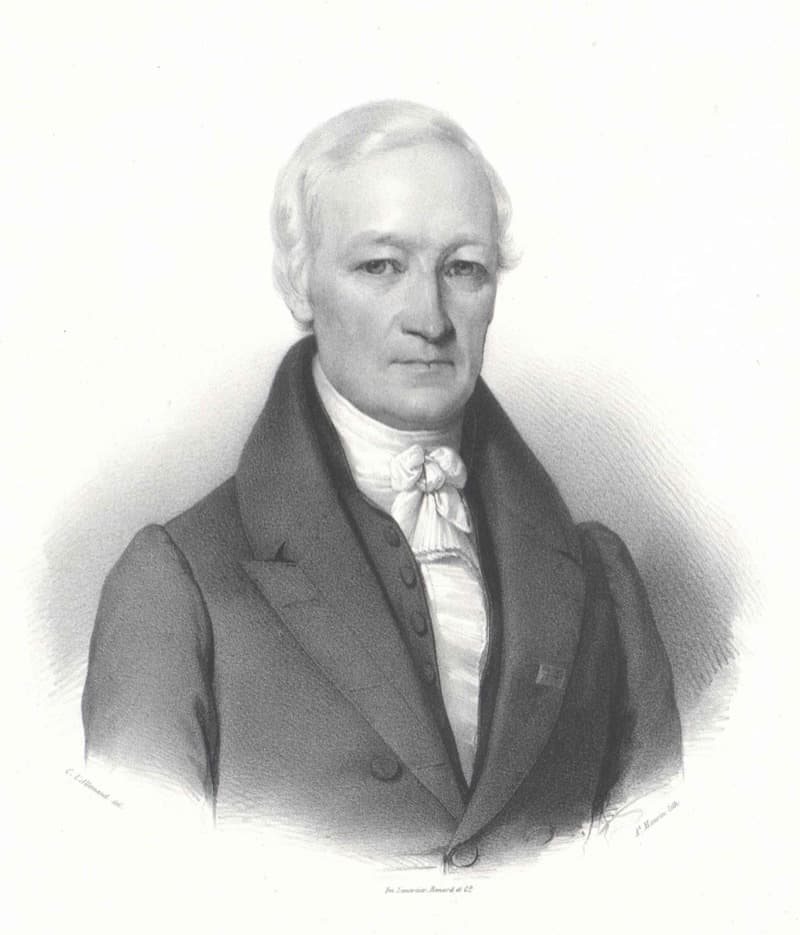
For most of the time since, taurine stayed in the background. Then the late 20th century gave it a second life in energy drinks. A standard 250 mL can of Red Bull carries about 1,000 mg of taurine, and the ingredient became a marketing fixture.
Here is a useful thing to know before we go further: the jolt from an energy drink is caffeine and sugar, not taurine. Taurine is not a stimulant. If anything it leans the other way, gently calming nerve cells through the same receptors that handle the brain's inhibitory signals. The reputation taurine has as an "energy" ingredient is, biologically, a misunderstanding.
What Taurine Does in the Body
Even setting aging aside, taurine earns its keep. It is concentrated in the tissues that work hardest: the heart, skeletal muscle, the brain, the retina, and immune cells. Research points to several real jobs (Schaffer and Kim, Biomolecules and Therapeutics, 2018).
It helps you digest fat. Taurine is attached to bile acids in the liver, which helps the body absorb fats and fat-soluble vitamins.
It manages cell volume. Taurine acts as an osmolyte, a molecule cells use to hold the right amount of water, which matters a great deal in the brain and kidney.
It keeps mitochondria reading their own code correctly. This one is striking. Taurine is a physical part of certain transfer RNAs inside mitochondria, the structures that decode genetic instructions into the proteins that run cellular energy (Suzuki and colleagues, EMBO Journal, 2002). When that taurine modification is missing, as it is in the inherited mitochondrial disease MELAS, energy production falters. A 2018 trial even found that high-dose taurine reduced the recurrence of stroke-like episodes in MELAS patients (Ohsawa and colleagues, Journal of Neurology, Neurosurgery and Psychiatry, 2018).
It helps calm inflammation. Inside activated immune cells, taurine reacts with harsh oxidants to form a milder compound that dials down inflammatory signaling. That connects taurine, at least in principle, to the slow, smoldering inflammation of aging.
None of this is controversial. Taurine is busy and useful. The fight is over a bigger claim.
The 2023 Study That Made Taurine Famous
In June 2023, a large international team led by Vijay Yadav, then at Columbia University, published a paper in Science with a bold title: taurine deficiency as a driver of aging (Singh and colleagues, Science, 2023). It made three moves at once.
First, it showed that taurine levels fall with age. Measuring across species, the team reported that blood taurine in 60-year-old people was roughly a third of the level seen in children, and they saw similar declines in mice and monkeys.
Second, and most dramatically, it gave taurine back. Mice started on taurine in middle age, around 14 months, lived about 10 to 12 percent longer at the median than untreated mice, a few extra months in mouse terms. The treated animals also looked healthier on many measures: stronger muscles and bones, better blood sugar, improved memory, fewer worn-out senescent cells, and less age-related inflammation. Worms lived longer too.
Middle-aged rhesus monkeys given taurine for six months gained less weight, had lower fasting blood sugar, denser bones, and a calmer immune profile. The monkeys were not followed for lifespan, so that part is a healthspan result, not a longevity one.
Third, it looked at humans, and this is where the caution begins. The human evidence was a snapshot, not an experiment. In about 12,000 European adults, people with lower taurine tended to have more obesity, type 2 diabetes, high blood pressure, and inflammation. The team also saw taurine rise after exercise.
But these are associations. People with higher taurine differ from people with lower taurine in countless ways. The authors said so directly: their human data could not establish cause, and what was needed was a proper supplementation trial measuring how long and how well people live.
It was a careful paper that made a careful claim. The headlines were less careful. "The longevity molecule hiding in your energy drink" wrote itself, and taurine sales climbed.
Then 2025 Complicated It
Science is a process, and the taurine story is that process in action. In 2025, two human studies took aim at the foundation of the 2023 claim.
The bigger one came from the National Institute on Aging, led by researchers in Rafael de Cabo's and Luigi Ferrucci's groups (Fernandez and colleagues, Science, 2025). Instead of a snapshot, they used longitudinal data, the same people, monkeys, and mice measured again and again over years. This is the better design for asking what happens with age, because it follows individuals rather than comparing strangers of different ages.
The result contradicted the premise. In the Baltimore Longitudinal Study of Aging, in rhesus monkeys, and in most mice, blood taurine did not fall with age. It rose, or it stayed flat. The differences between one person and another, at the same age, were larger than any change over time. Their conclusion was blunt: changes in circulating taurine are not a universal feature of aging, so low taurine is unlikely to be a reliable biomarker of getting older.
A second 2025 study reached a similar place from another angle. In 137 men ranging from their twenties to their nineties, researchers found no link between taurine levels and age, muscle mass, strength, physical performance, or mitochondrial function (Marcangeli and colleagues, Aging Cell, 2025).
The original team did not concede. Yadav, now at Rutgers, stood by the animal supplementation results and argued that taurine's important decline happens early, between birth and about age 30, a window the newer study did not focus on. He is running human trials to settle it.
Read fairly, here is where that leaves us. The 2025 work does not erase the animal data. Taurine still extended life in mice and worms, and that is a real finding waiting on independent replication. What 2025 does is knock out a load-bearing assumption: that humans grow taurine-deficient with age and that this shortfall ages us. In people, that link now looks shaky. The supplementation question in humans remains genuinely open, which is a different thing from settled.
What the Human Trials Actually Show
If taurine will not clearly slow aging, does it do anything measurable in people? Here the answer is a qualified yes, on a small scale, for metabolism.
The best summary is a 2024 meta-analysis that pooled 25 randomized trials, about 1,000 participants, at doses from half a gram to 6 grams a day (Tzang and colleagues, Nutrition and Diabetes, 2024).
Taurine lowered systolic blood pressure by about 4 mmHg and diastolic by about 1.5 mmHg. It nudged down fasting blood glucose, by roughly 6 mg/dL, and improved insulin resistance. It lowered triglycerides by about 18 mg/dL and total cholesterol by about 8 mg/dL. The effect on HbA1c, a longer-term blood-sugar measure, was small and sat right at the edge of significance.
Other reviews point the same way. A 2022 meta-analysis focused on people with diabetes found improvements in fasting glucose and insulin resistance (Tao and colleagues, Food Chemistry: Molecular Sciences, 2022). A randomized trial in type 2 diabetes found taurine lowered inflammatory markers including C-reactive protein and TNF-alpha (Maleki and colleagues, Diabetology and Metabolic Syndrome, 2020). For exercise, a meta-analysis found a small benefit to endurance performance, the kind of effect that matters to an athlete chasing a personal best more than to someone chasing a longer life (Waldron and colleagues, Sports Medicine, 2018).
Now the caveats, because they matter. These are small, short trials, most lasting 8 to 12 weeks, and many were done in people who already had diabetes or obesity, where there was the most room to improve. The effects are modest. Crucially, every one of these outcomes is a surrogate: a number on a lab report, not a heart attack avoided or a year of life gained.
No completed trial has tested whether taurine prevents disease, extends life, or slows biological aging in humans. One trial designed to measure biological age with an epigenetic clock, called TauAge, gave older adults 4 grams a day for six months and has finished collecting data, but results are not yet published (ClinicalTrials.gov, NCT06613542).
So taurine helps a few metabolic numbers a little. That is worth something. It is not the same as slowing aging.
Are You Even Deficient?
A supplement only helps if you are short of something. So it is worth asking who actually runs low on taurine.
Taurine comes almost entirely from animal foods. Shellfish and seafood are richest, scallops, clams, mussels, and dark-fleshed fish. Dark poultry meat has a fair amount, red meat less, dairy very little. Land plants have essentially none. A typical omnivore takes in somewhere between about 40 and 400 mg of taurine a day from food, on top of what the body makes.
That last point matters. If you eat meat, fish, or eggs, you are getting taurine and your body is making more. The people most likely to run low are strict vegans and vegetarians, who take in almost none from food. Even there, the shortfall is smaller than you might guess: one study found vegans had plasma taurine of about 45 µmol/L versus 58 in omnivores, a real difference but not a dramatic one, because the body conserves taurine when intake drops (Laidlaw and colleagues, American Journal of Clinical Nutrition, 1988).
This is the quiet implication of the 2025 research. If taurine does not fall with age, then the average older adult who eats a normal diet with some animal protein is probably not deficient at all. As one of the 2025 NIA researchers put it, there is no need to supplement taurine if you have a healthy diet.
Safety and Dose
Taurine has a reassuring safety record, which is part of why it spread so fast.
A risk assessment that reviewed about 30 human trials proposed an observed safe level of 3 grams a day, meaning that intake showed no consistent harm across the studies examined (Shao and Hathcock, Regulatory Toxicology and Pharmacology, 2008). European food-safety regulators, reviewing taurine as an energy-drink ingredient, concluded that ordinary consumption is not a safety concern (EFSA, 2009). Human trials have used 1.5 to 6 grams a day, sometimes more in mitochondrial disease, without serious adverse effects over periods up to about a year.
Two honest limits. First, long-term safety of multi-gram daily doses in healthy people, taken for years rather than weeks, simply has not been studied. Second, the much-quoted longevity dose of 3 to 6 grams a day is a scaled guess from the mouse studies, not a dose any human aging trial has validated. Taurine may also interact with lithium, so anyone on that medication should be cautious. As always, this is a conversation to have with your doctor, not a label to follow blindly.
What Is Settled and What Is Not
It helps to separate the firm from the hopeful.
What the evidence backs up:
- Taurine is essential for some species. Cats deprived of it develop heart failure and blindness that taurine reverses.
- Taurine does real work in humans: bile acids, cell-volume control, mitochondrial function, and inflammation control.
- In short human trials, taurine modestly lowers blood pressure, triglycerides, and fasting glucose, mostly in people with diabetes or obesity.
- At the doses studied, taurine is safe and well tolerated.
What remains uncertain or unsupported:
- Whether taking taurine slows human aging in any way that adds healthy years. No completed trial has shown this.
- The founding claim that taurine falls with age. In humans, the best 2025 data say it does not, which weakens the whole deficiency argument.
- Whether the animal lifespan results will hold up under independent replication, and whether they translate to people at all.
- The right dose, if any. The popular figure is a mouse extrapolation.
- Whether otherwise healthy people who eat animal protein are ever deficient in the first place.
How to Think About It
If you are a science-minded person deciding what to do, here is a reasonable read.
Taurine is one of the better cases for "get it from food." The molecule is essential, but it is in seafood, fish, and meat, the same foods that carry protein and other nutrients. If you eat those, you are very likely fine, and there is no clear reason to add a pill.
If you are vegan or vegetarian, your intake really is low, and a modest taurine supplement is cheap, safe, and defensible as topping up a genuine dietary gap. Just frame it that way, as filling a hole, not buying extra years.
If your interest is the metabolic angle, high blood pressure or blood sugar, taurine might help a little, and it is low-risk to try. But the effects are small, and it is no substitute for the dependable levers: movement, sleep, and weight.
The aging claim itself is best treated the way the omega-3 story should be treated, as a frontier worth watching, not a settled reason to act. The animal data is real and interesting. The human foundation cracked in 2025. The trials that could resolve it are running now. Taurine has earned curiosity, which is different from a recommendation. It belongs in the supplement landscape as a maybe, clearly labeled.
Talk to your doctor before starting taurine at high doses, especially if you take lithium or have kidney problems. This article is for understanding the science, not for replacing medical advice.
Frequently Asked Questions
Does taurine slow aging in humans? There is no good evidence that it does. The excitement comes from a 2023 study in which taurine extended lifespan in mice and improved health markers in monkeys. But no completed human trial has shown that taurine extends life or slows aging, and in 2025 two human studies found that taurine does not actually decline with age, which undercuts the original idea that taurine deficiency drives aging. The honest answer is that the human question is unresolved, with the current evidence leaning skeptical.
Should I take a taurine supplement? For most people who eat meat, fish, or shellfish, probably not, because you already get taurine from food and your body makes more. The clearest case for supplementing is a strict vegan or vegetarian diet, where intake is very low. People with high blood pressure or blood sugar might see small improvements, but the effects are modest. Talk to your doctor, especially if you take lithium or have kidney disease.
How much taurine is in an energy drink, and does it do anything? A standard can of Red Bull has about 1,000 mg of taurine. The stimulating effect of energy drinks comes from caffeine and sugar, not taurine. Taurine is not a stimulant; it tends to be mildly calming at the level of nerve cells. The amount in one can is well within the range regulators consider safe.
Which foods are high in taurine? Shellfish and seafood are the richest sources, including scallops, clams, mussels, and dark-fleshed fish. Dark poultry meat and red meat contain useful amounts; dairy has very little, and land plants have essentially none. A typical omnivore gets somewhere between about 40 and 400 mg a day from food.
Is taurine safe? At the doses studied, yes. A safety review proposed an observed safe level of 3 grams a day, and trials have used 1.5 to 6 grams a day without serious adverse effects for up to about a year. What has not been studied is taking multi-gram doses every day for many years, so long-term safety in healthy people is not fully known. Taurine may also raise lithium levels, so people on lithium should be careful.
Sources
- Singh P, Gollapalli K, Mangiola S, et al. (2023). "Taurine deficiency as a driver of aging." Science, 380(6649), eabn9257. PubMed: 37289866
- Fernandez ME, Bernier M, Price NL, et al. (2025). "Is taurine an aging biomarker?" Science, 388(6751), eadl2116. PubMed: 40472098
- Marcangeli V, et al. (2025). "Experimental Evidence Against Taurine Deficiency as a Driver of Aging in Humans." Aging Cell, 24(10), e70191. PubMed: 41061678
- Pion PD, Kittleson MD, Rogers QR, Morris JG. (1987). "Myocardial failure in cats associated with low plasma taurine: a reversible cardiomyopathy." Science, 237(4816), 764-768. PubMed: 3616607
- Hayes KC, Carey RE, Schmidt SY. (1975). "Retinal degeneration associated with taurine deficiency in the cat." Science, 188(4191), 949-951. PubMed: 1138364
- Ripps H, Shen W. (2012). "Review: Taurine: a 'very essential' amino acid." Molecular Vision, 18, 2673-2686. PubMed: 23170060
- Schaffer S, Kim HW. (2018). "Effects and Mechanisms of Taurine as a Therapeutic Agent." Biomolecules and Therapeutics, 26(3), 225-241. PubMed: 29631391
- Suzuki T, Suzuki T, Wada T, Saigo K, Watanabe K. (2002). "Taurine as a constituent of mitochondrial tRNAs: new insights into the functions of taurine and human mitochondrial diseases." EMBO Journal, 21(23), 6581-6589. PubMed: 12456664
- Ohsawa Y, Hagiwara H, Nishimatsu SI, et al. (2018). "Taurine supplementation for prevention of stroke-like episodes in MELAS: a multicentre, open-label, phase 3 trial." Journal of Neurology, Neurosurgery and Psychiatry, 89(11), 1196-1200. PubMed: 29666206
- Tzang CC, Chi LY, Lin LH, et al. (2024). "Taurine supplementation and its effects on glycemic and cardiovascular markers: a systematic review and meta-analysis of randomized controlled trials." Nutrition and Diabetes, 14, 29. PubMed: 38755142
- Tao X, Zhang Z, Yang Z, Rao B. (2022). "The effects of taurine supplementation on diabetes mellitus in humans: A systematic review and meta-analysis." Food Chemistry: Molecular Sciences, 4, 100106. PubMed: 35769396
- Maleki V, Alizadeh M, Esmaeili F, Mahdavi R. (2020). "The effects of taurine supplementation on glycemic control and serum lipid profile in patients with type 2 diabetes: a randomized, double-blind, placebo-controlled trial." Amino Acids, 52(6-7), 905-914. PubMed: 32472292
- Maleki V, Mahdavi R, Hajizadeh-Sharafabad F, Alizadeh M. (2020). "The effects of taurine supplementation on oxidative stress indices and inflammation biomarkers in patients with type 2 diabetes: a randomized, double-blind, placebo-controlled trial." Diabetology and Metabolic Syndrome, 12, 9. PubMed: 32015761
- Waldron M, Patterson SD, Tallent J, Jeffries O. (2018). "The Effects of an Oral Taurine Dose and Supplementation Period on Endurance Exercise Performance in Humans: A Meta-Analysis." Sports Medicine, 48(5), 1247-1253. PubMed: 29546641
- Laidlaw SA, Shultz TD, Cecchino JT, Kopple JD. (1988). "Plasma and urine taurine levels in vegans." American Journal of Clinical Nutrition, 47(4), 660-663. PubMed: 3354491
- Rana SK, Sanders TA. (1986). "Taurine concentrations in the diet, plasma, urine and breast milk of vegans compared with omnivores." British Journal of Nutrition, 56(1), 17-27. PubMed: 3676193
- Shao A, Hathcock JN. (2008). "Risk assessment for the amino acids taurine, L-glutamine and L-arginine." Regulatory Toxicology and Pharmacology, 50(3), 376-399. PubMed: 18325648
- EFSA Panel on Food Additives. (2009). "The use of taurine and D-glucurono-gamma-lactone as constituents of the so-called 'energy' drinks." EFSA Journal, 7(2), 935. DOI: 10.2903/j.efsa.2009.935
- Moludi J, Qaisar SA, Kadhim MM, et al. (2022). "Protective and therapeutic effectiveness of taurine supplementation plus low calorie diet on metabolic parameters and endothelial markers in patients with diabetes mellitus: a randomized, clinical trial." Nutrition and Metabolism, 19, 49. PubMed: 35870947
- Technical University of Munich (sponsor). "Effect of Daily Taurine Supplementation for 6 Months on Biological Age and Metabolic Biomarkers as Well as Physical Fitness in 55-75-year-old Women and Men (TauAge)." ClinicalTrials.gov, NCT06613542. ClinicalTrials.gov: NCT06613542
Funding Transparency
LSD is editorially independent. We receive no funding from pharmaceutical, supplement, or longevity companies. In the interest of full transparency, here are the funding and conflict relationships behind the research cited above:
- Source #1 (the 2023 Science paper): The work was supported largely by public and academic funders, including the US National Institutes of Health and the Indian Department of Biotechnology. Columbia University, where the senior author was based, filed provisional patent applications related to this work. That is a real commercial interest tied to the central longevity claim, and worth weighing when reading the strong framing of the result.
- Sources #2 and #3 (the 2025 counter-evidence): The National Institute on Aging study was funded by the NIA's intramural research program, a public source with no commercial stake in taurine. The Aging Cell study was likewise academic. These are the skeptical counterweights, and they do not carry a supplement-industry interest.
- Source #9 (the MELAS trial): A Japanese academic and government-supported trial in a rare mitochondrial disease, not a supplement-industry study. We cite it to show taurine's genuine role in mitochondrial biology, not as evidence for healthy-person supplementation.
- Sources #4 and #5 (the cat studies, 1975 and 1987): Academic veterinary and nutrition science. These predate modern conflict-of-interest norms but had no supplement industry behind them; they are the settled, species-essentiality evidence.
- Sources #10 through #14, #19 (the human meta-analyses and trials): Based on the disclosures we reviewed, these were largely supported by university and public funding. As with most supplement trials, taurine and placebo capsules are sometimes supplied by manufacturers, which is routine and was not associated with the direction of these largely modest results.
- Source #18 (the EFSA opinion): Produced by the European Food Safety Authority, a public regulator, assessing taurine as an energy-drink ingredient. Note that a regulator clearing taurine for use in drinks is a safety judgment, not an endorsement of health benefits.
- Source #20 (the TauAge trial): Sponsored by the Technical University of Munich, a public university, with Rutgers University as a collaborator. Because results are not yet published, we cite it only to show that the human aging question is being formally tested, not as evidence either way.
Related Reading
- Mitochondrial Health - Why the energy factories in your cells sit near the center of aging, and where taurine fits into how they read their own code.
- Omega-3s and Biological Aging - Another supplement whose reputation ran ahead of the human evidence, and a useful template for reading taurine.
- Inflammation and Aging - The slow, low-grade inflammation that taurine helps quiet, and why it matters as we get older.
- Your Body's Biomarkers - How blood markers become signals of biological age, and why a single molecule rarely makes a good one.
- The Supplement Landscape - Where taurine sits among the longevity supplements, and how to tell a maybe from a yes.
This article is for education, not medical advice. Taurine has not been shown to extend lifespan or slow aging in humans. Talk to your doctor before starting any supplement, especially at high doses, if you take lithium, or if you have kidney problems.
Written with the help of AI tools, shaped and verified by humans who care about getting this right.